Saturday June 01, 2024 – Greenock (for Glasgow), Scotland
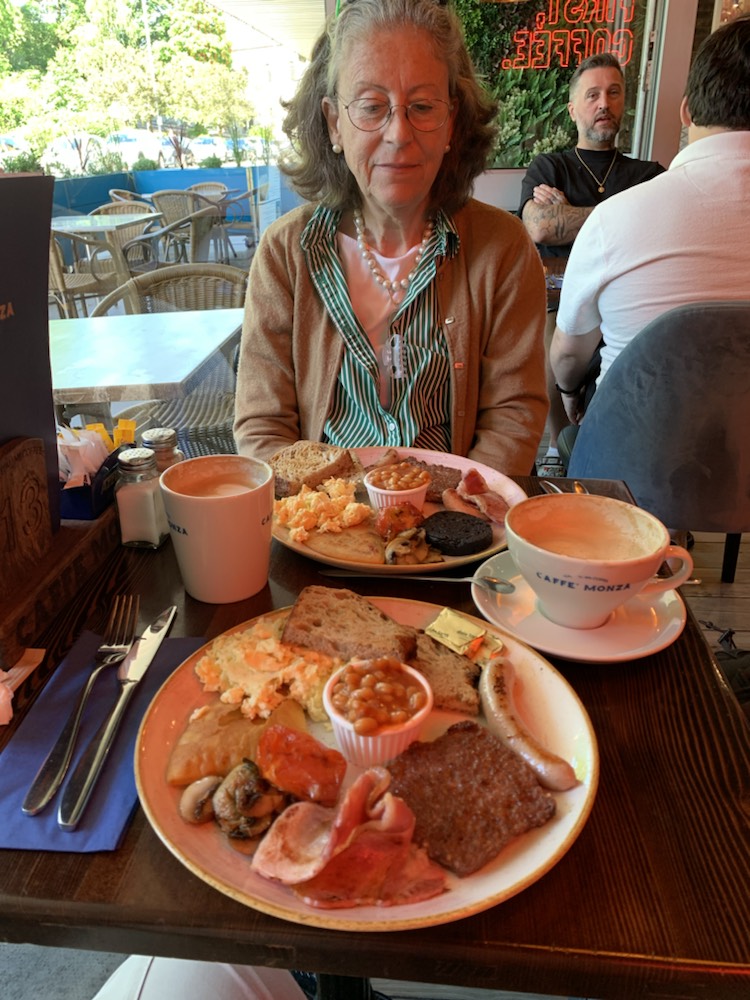
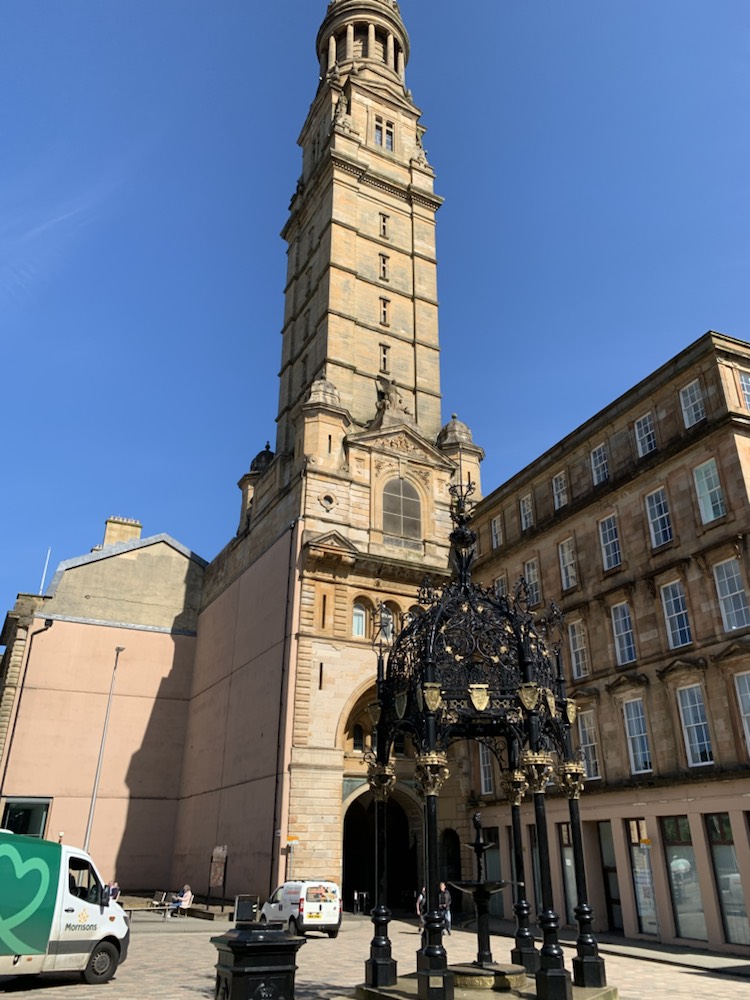
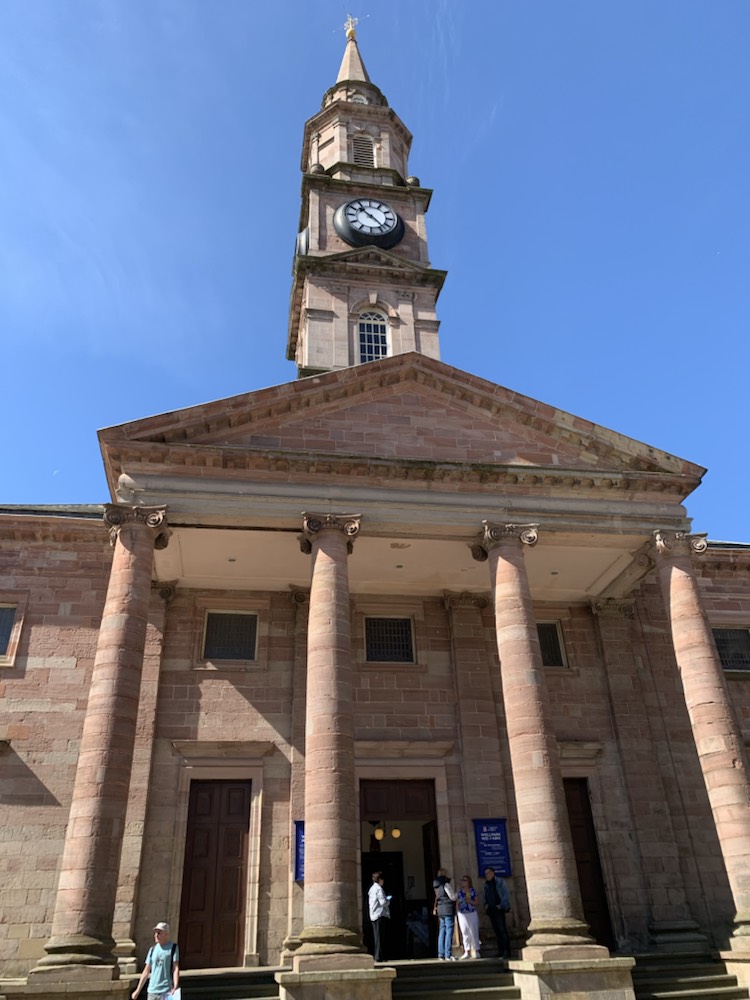
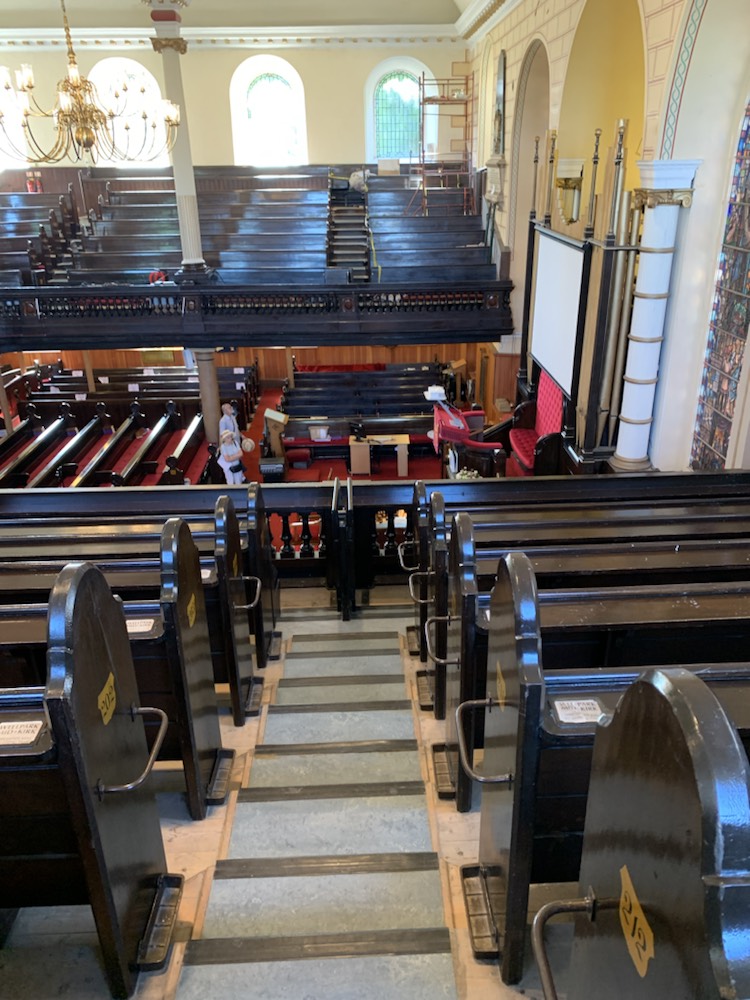
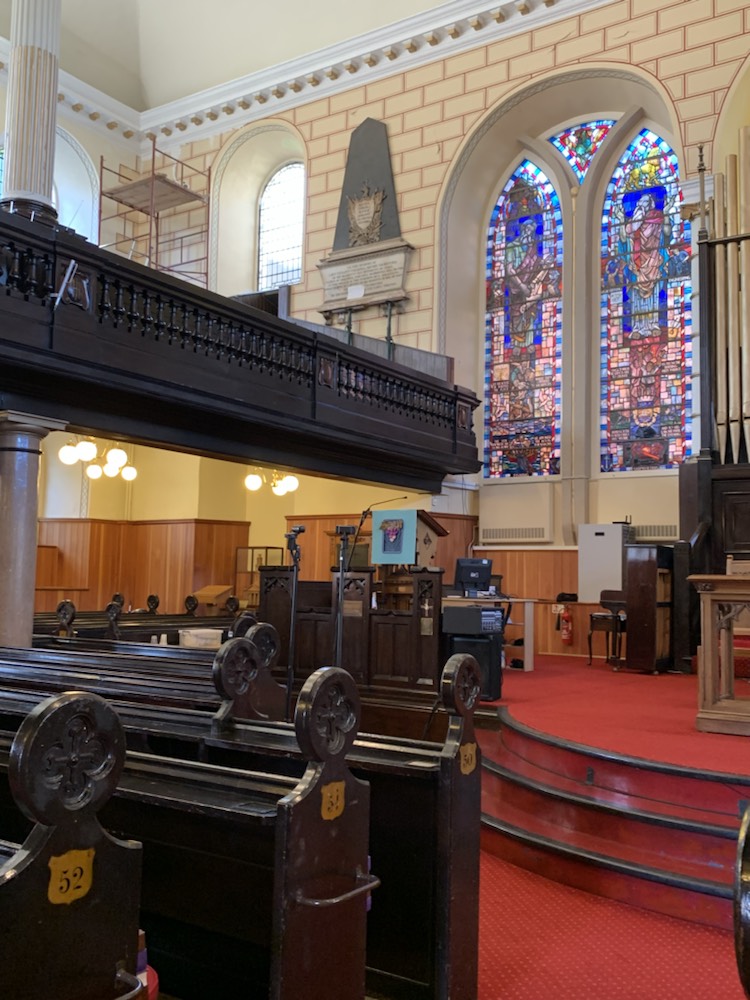
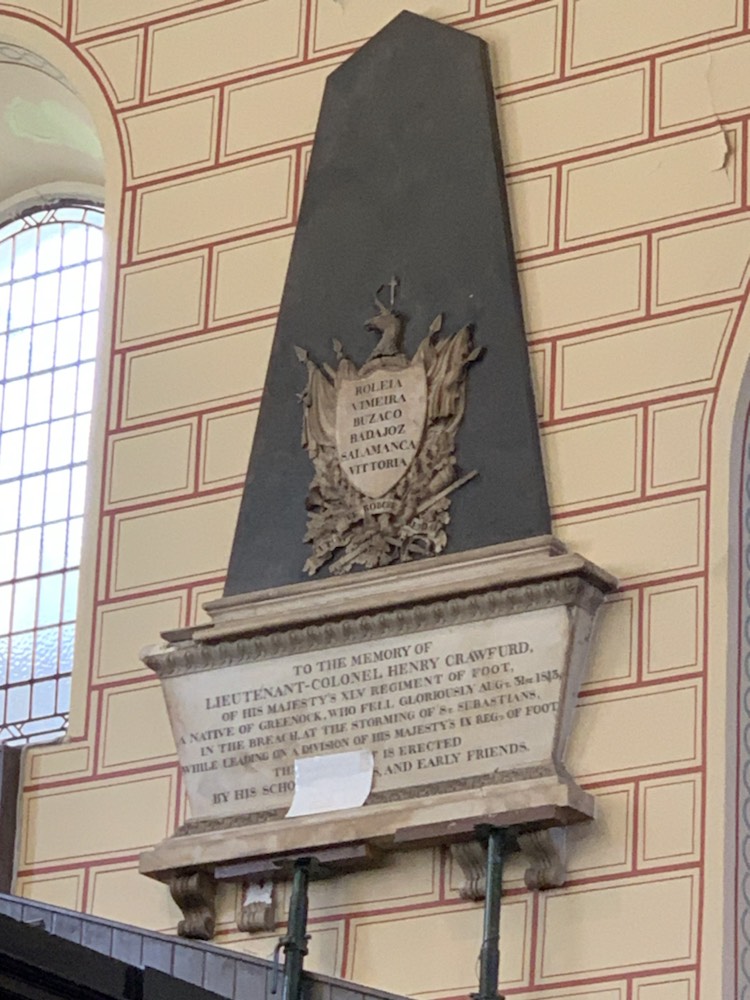
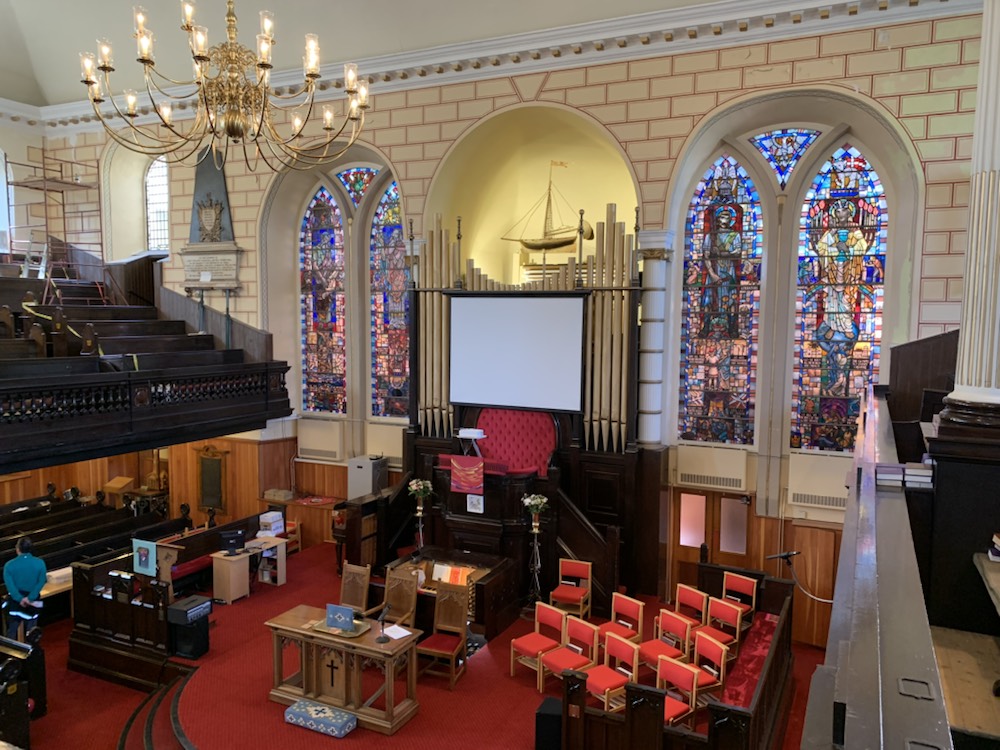
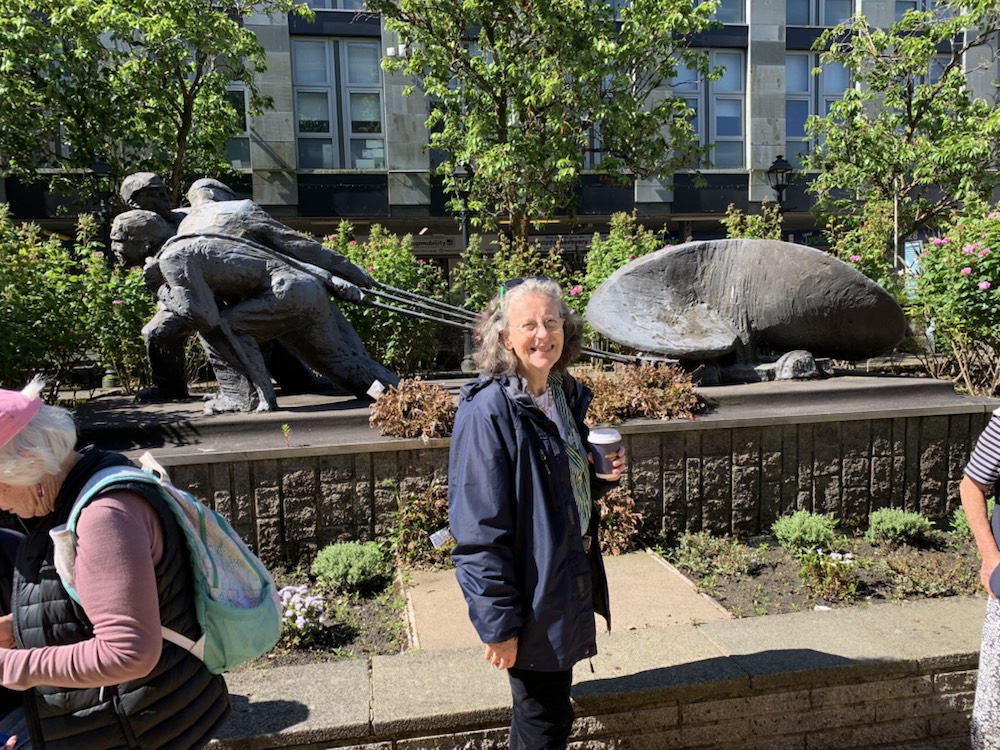
We were looking forward to today as it will be our first visit to a Whisky Distillery in Scotland and we will be visiting Loch Lomond. However the tour doesn’t start until noon. Patsy and David were off early as they visited Glasgow, which is close by and they had not been there before. So after docking Starboard to Dock, allowing us to get a terrific view of the town, we left by 8:30AM and embarked on a very close walk (5 – 10 minutes) into Greenock. We asked the locals where they might suggest we have a nice breakfast. One man suggested a pub, while 2 separate ladies suggested a nice Cafe. Showing the difference in priorities!!!! We ended up and thoroughly enjoyed the Cafe Monza (118-120 Cathedral Street, Greenock PA15 1BB Phone +44 (0) 147-572-7317) and enjoyed a terrific Scottish Breakfast (without the Haggis), before wandering through the town, visiting a terrific Cathedral (Wellpark Mid Kirk) and on through the Mall. That was very depressing as the first section we walked through – some 40 shops – were all empty. There was no commercial activity. The second part did have a lot more activity, although it appeared a bit seedy and dated and needed a bit of a “facelift”, but at least there were shops for locals, no tourist-type shopping. We walked out on the Main Street, which was under repair and there again, shops, but more Bingo parlors, betting establishments, poundland (Dollar Stores) etc. So we headed back to the nice Cruise Terminal building where there were a lot of very helpful ladies that took time to help each person out.
It was time to get onto the Coach and greet the Driver and good guide – Paula who at the age of 40 and having lived in Greenock all her life, had just received a degree from the local university in Scottish Heritage. It was a sad day for her as she had just bid her daughter farewell an hour before we met up, as she was going to do an internship in Washington DC at the White House for a few months. Very excited for the daughter to have the experience, but sad that she would not see her for a while.
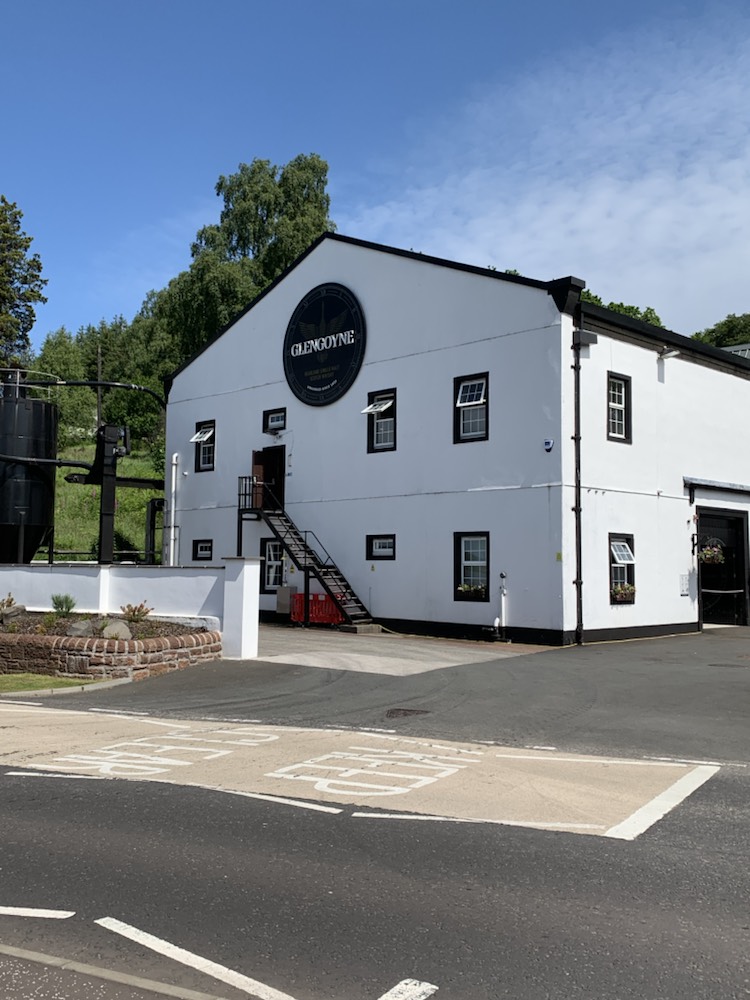
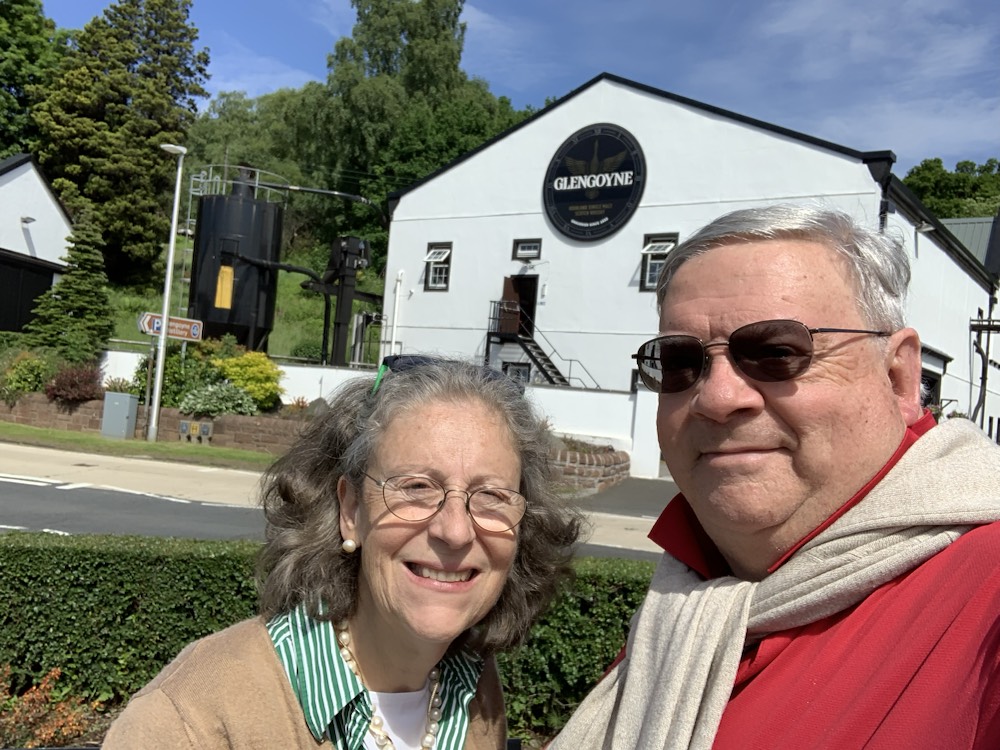
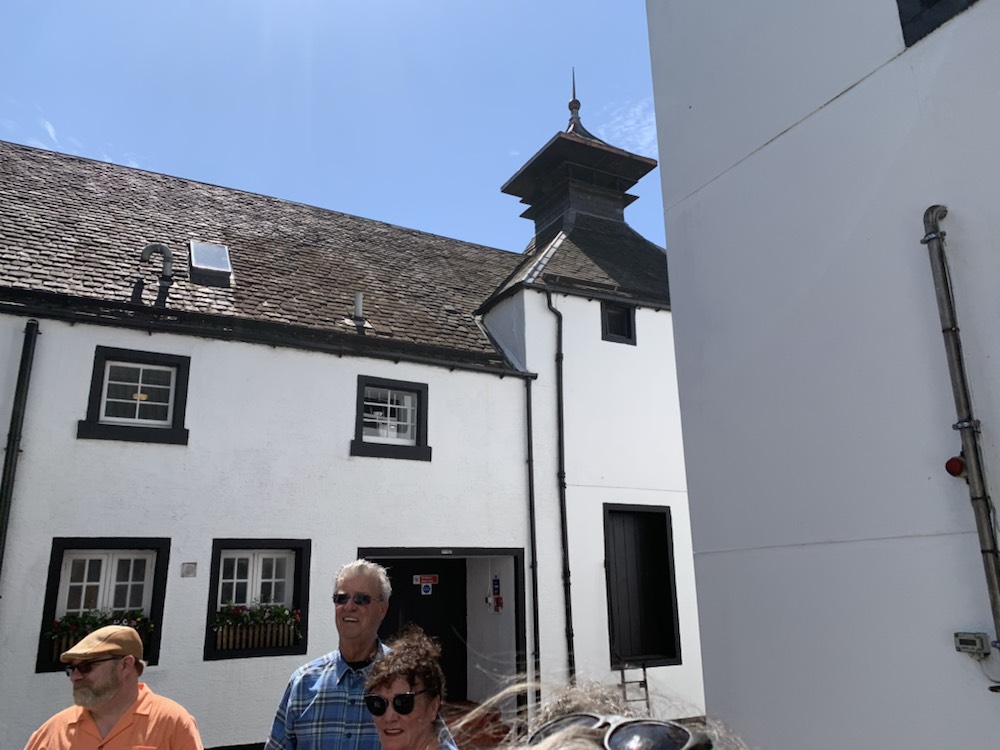
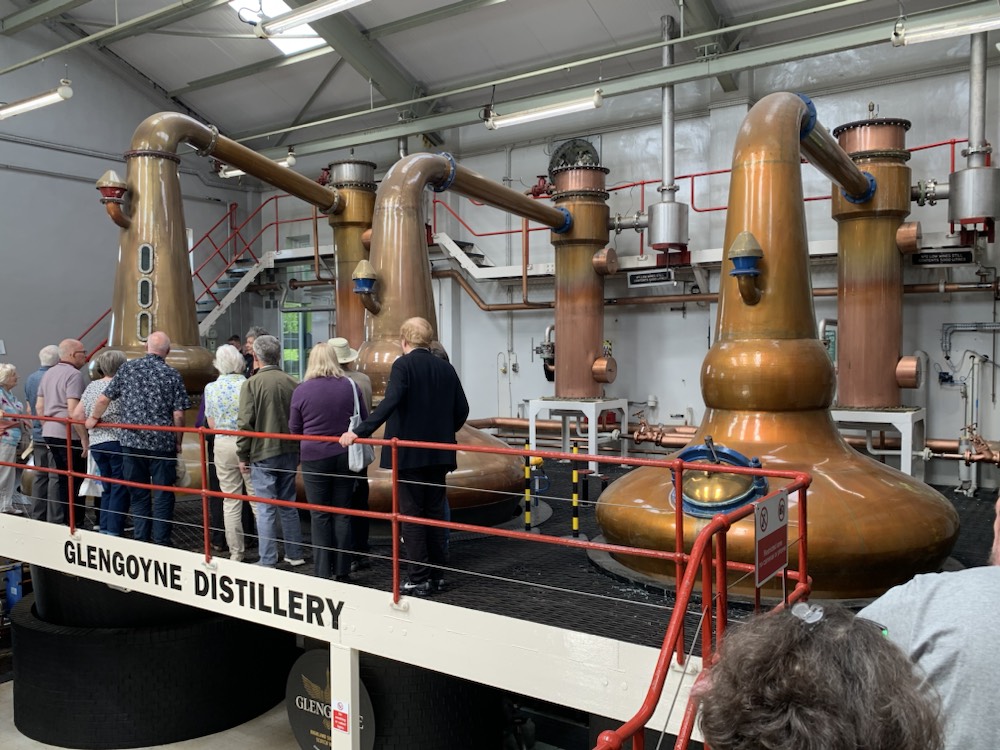
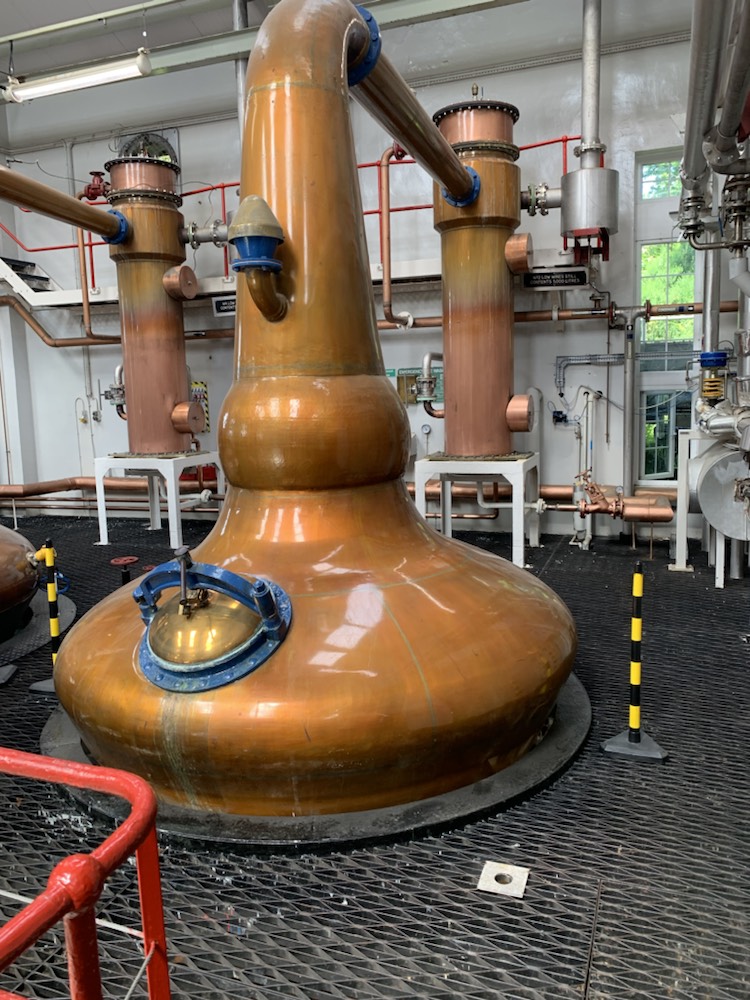
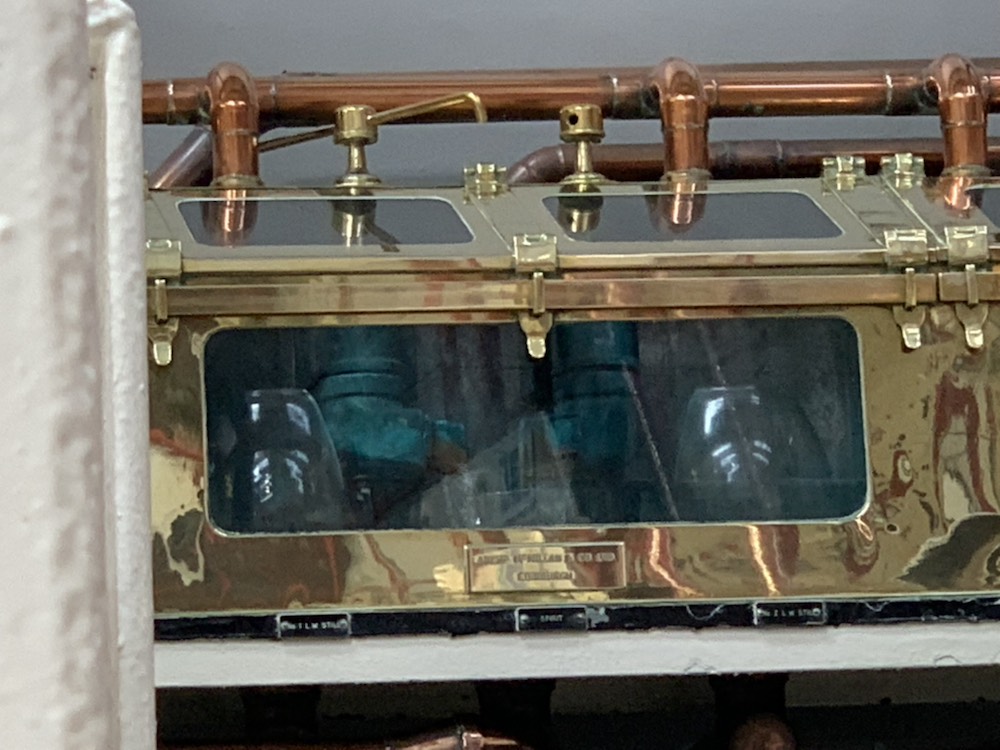
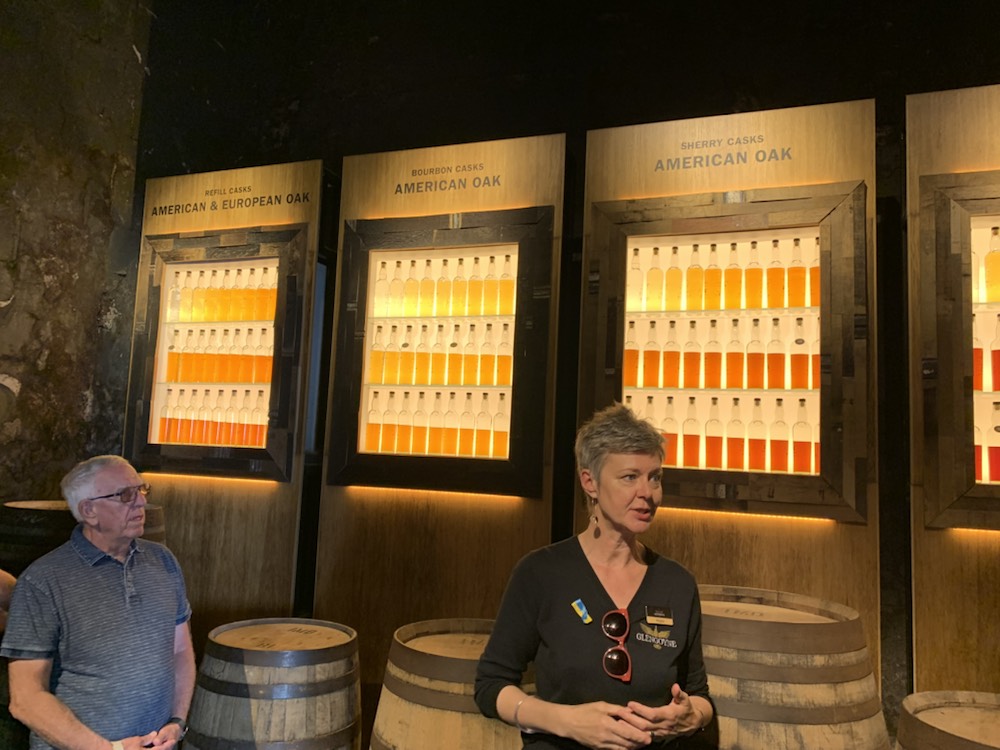
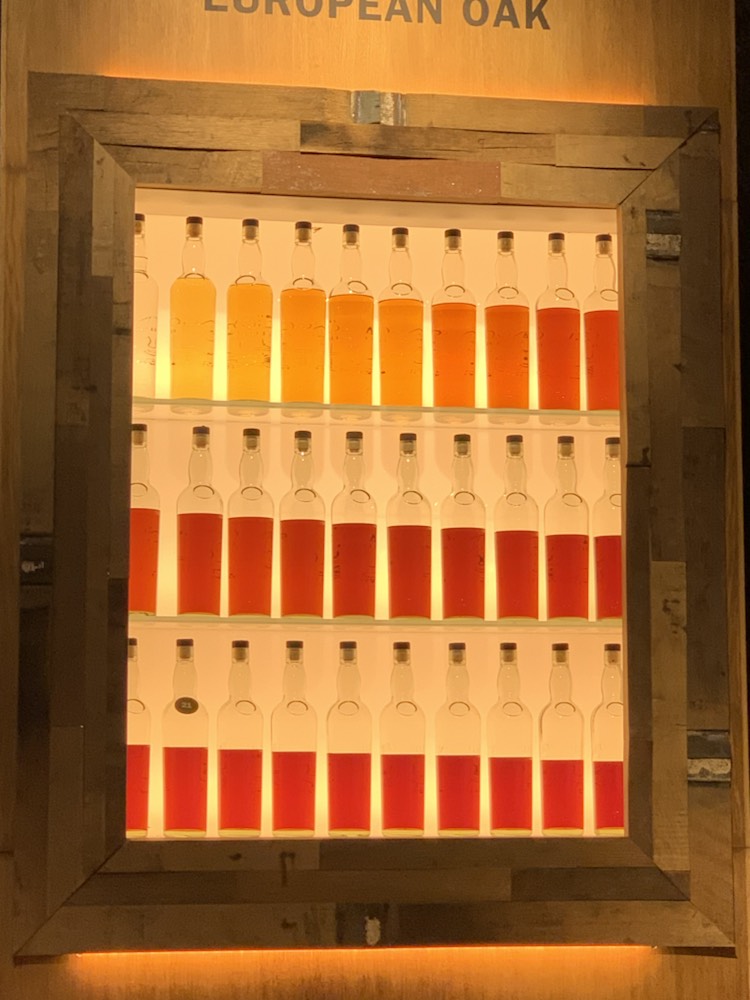
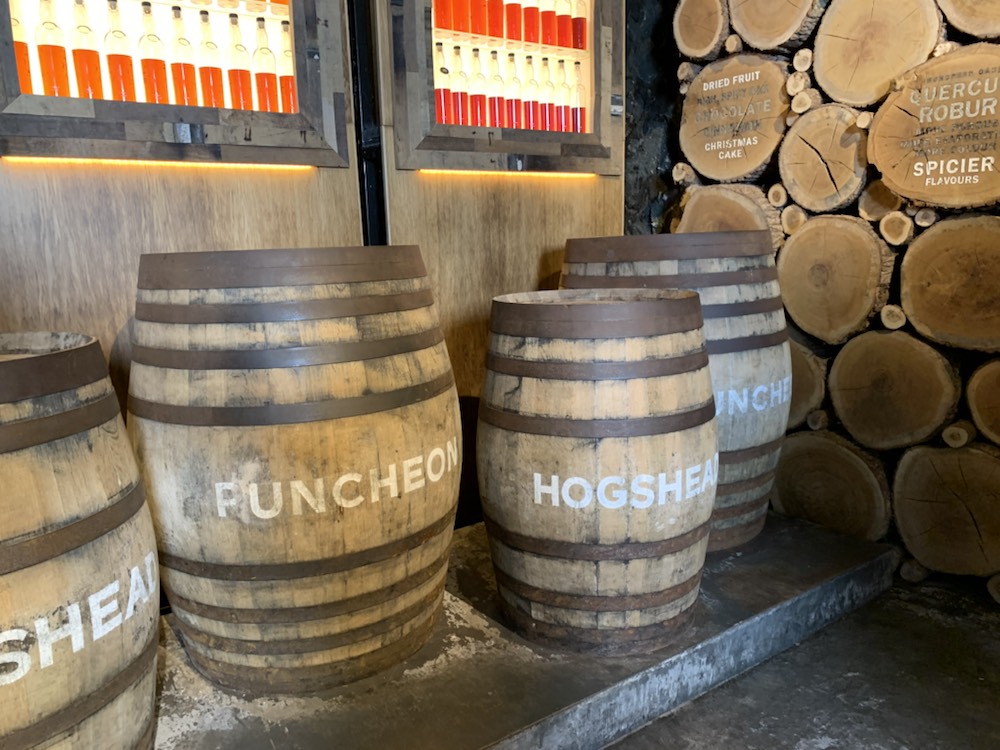
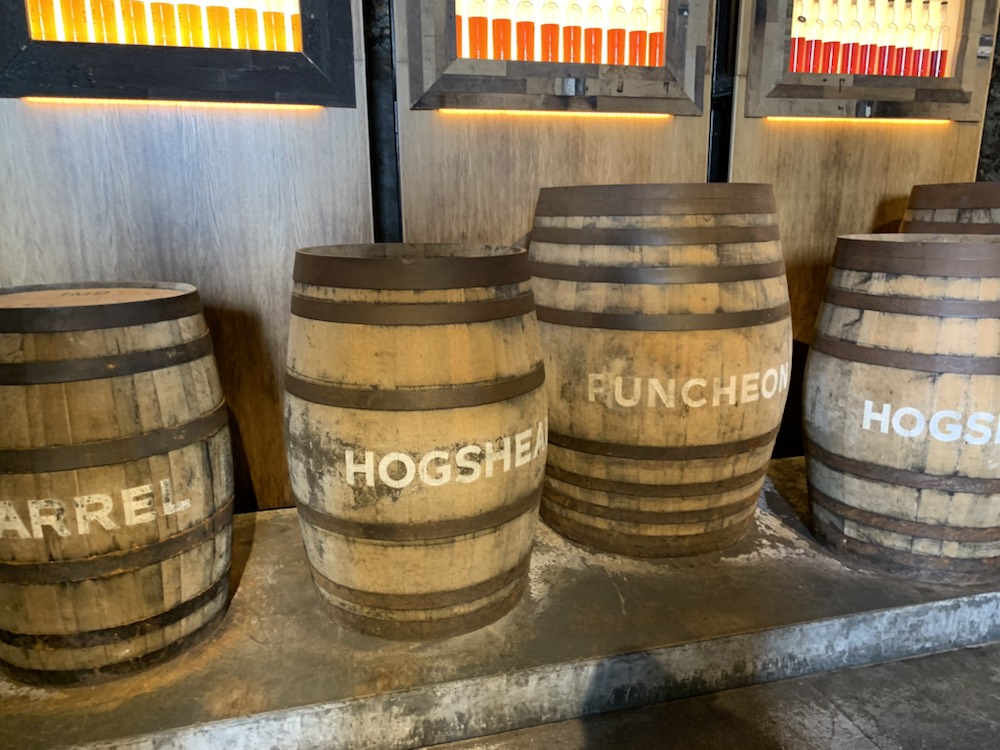
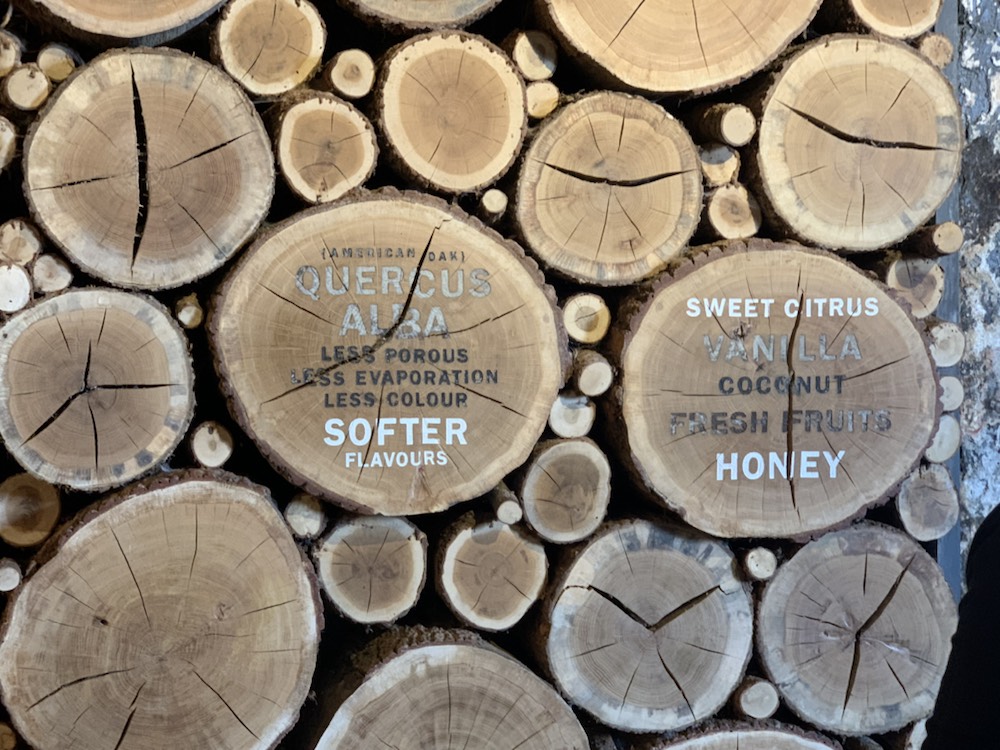
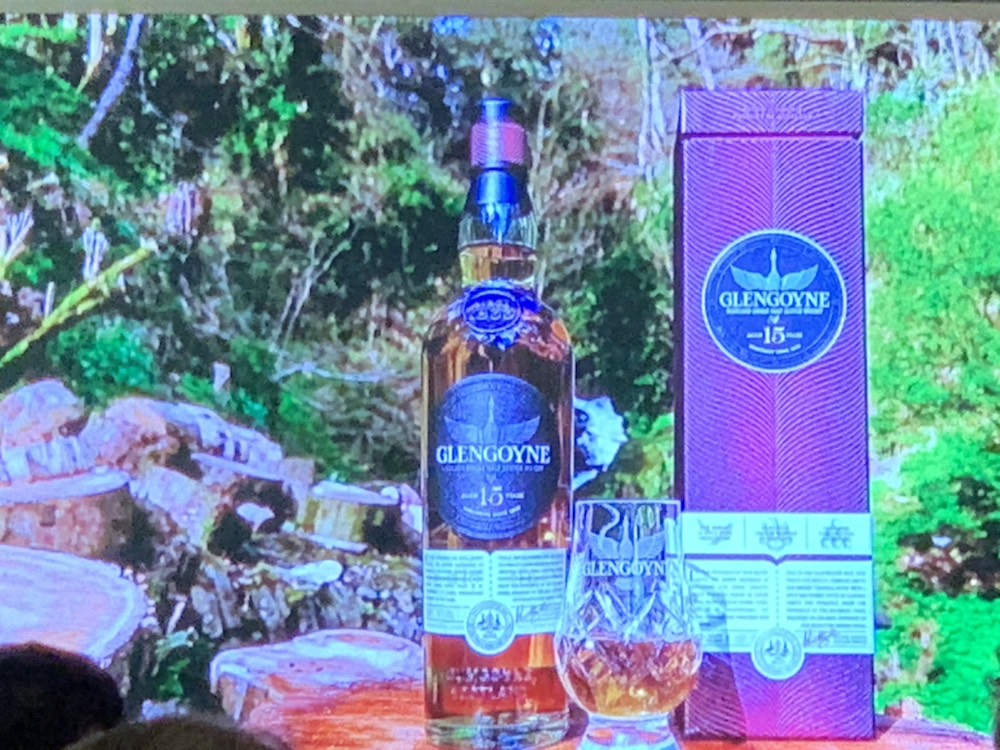
We stopped at the Glengoyne Distillery. We parked the coach on one side of the road, which by definition was “The Lowlands” and that’s where the whisky is aged . We crossed the road to “The Highlands” where the whisky is distilled! There are five types of Whisky defined by area – Highlands, Lowlands, Speyside, Isley and one other. To be considered Single Malt Scottish Whisky (NOTE Scotland spells it Whisky whereas other countries spell it Whiskey) has to come from Malted Barley from Scotland, Aged a minimum of 3 years and 1 day (in case one is not a leap year) in oak casks not exceeding 700 liters each, contain only 3 ingredients – Barley, Water and Yeast and distilled in Pot Stills at a single distillery. So how to make it? – First, Scottish Barley is “Malted” – soaked in water for 3 days allowing it to sprout to get the conversion of starches into sugars. The barley is spread out and regularly turned, before it goes into a cloth, hung in a “kiln” with a Pagoda roof and heated from the bottom to dry it out. The heat source may be hot air, as in Glengoyne, or with Peat used as a heat source (mostly used in Isley) which provides the “peaty / smoky” flavor (actually phenols) into the whisky. The malt is then milled into coarse flour and water at about 60-655C added so as to extract the sugars. The sugar water (Wort) is then sieved out and higher temperature water 70-75C is added to extract even more sugar, although less than the first run, still useful. A third run at 85-90C (near boiling) is then added to extract the last bits of sugar. Although not much in this last batch, it is used for the first “bath” of the next batch. The spent malted Barley, now with no sugar, is collected (while we were there) by a local farmer who uses it as cattle feed. This wort (sugar water) is then put into large oak barrel like structures (thousands of liters) where yeast is added, to start the conversion of the sugar into alcohol and giving off Carbon Dioxide. This fermentation takes about three days and produces a liquid with a low (Ethanol) alcohol content of 5-7%. This then goes to the Pot Still, where it is heated and the alcohol,gets into steam and then cooled to return it to a liquid state. The copper still for this first distillation had a a lower large globe like pot and a second wide “belly” like ring, where the heavier (unwanted) steam is returned to the pot allowing only the lighter Ethanol to move to the next stage. At this point the liquid has an alcohol content of 20-30%. Still not good enough. So it goes through another distillation in copper pots, bringing it up to 60-70% Alcohol (120-140 proof). At this point the clear liquid may be diluted to 60-62% before putting it into Oak barrels for aging a minimum of 3 years and 1 days, but mostly aged for 10 -15 years or more years. Of note is that the first few minutes of the distilled alcohol at the final stage is put into a separate container as well as the last bit of the distillate (known as heads and tails) and only the best central part is used, much like a fish, where the heads and tails are cut off and the center bit is what one eats. These heads and tails are added to the next batch to try and squeeze as much good alcohol out as possible. It is up to the key whisky maker to review each barrel to determine if it has reached perfection or whether it can go an additional year. Some may age 20+ years. The key though in the aging is the type of Oak used for the Barril. All the ones at this distillery are ones that were used for maturing sherry and then re-used for whisky. If European Oak is used, it produces a deeper color, and spicer flavor, although it is more porous creating greater evaporation. This Evaporation is called the “Angel’s take”! American Oak produces softer flavors (sweet citrus, vanilla, fresh fruits, honey) and less color and is less porous, thus less “Angel’s share”. Sometimes the barrils are reused (refill casks) and they produce different tastes and colors. Used American Oak Bourbon Casks are sometimes used. Each imparting a slightly different flavor and color. Once the master has determined that certain barrels can be used, they are carefully blended, to produce a color and flavor that is the standard for that particular distillery and aging. At this point water may be added so as to produce bottle strength of 40-45% alcohol by volume (a.b.v) or 80-90 proof. Only alcohol from that particular distillery, may be used in this blend. Blended Whisky’s like Johnny Walker, Chivas Regal etc use whisky distilled from many distilleries to produce a unique blend. On occasion, Cask Strength may be consumed or, as in the case of “The Scotch Malt Whiskey Society”, based in Leith and Edinburgh with a venue in London, they buy Casks from each of the 136 distilleries and bottle them specifically for their members. Depending on the cask it usually produces about 300 bottles and once those have gone, that’s then end of that particular taste. When the Society was formed (I am a member) the distilleries were reluctant to sell caskets that may have different tastes from what to expect from that particular distillery. So the society agreed to have all whisky bottled in identical green bottles and the labels are restricted to have a group of numbers. These number codes are provided to members. And consist of AAA.ZZZ where AAA represents the distillery and ZZZ the cask number purchased from that distillery. So say Distillery ABC has a number 52 (I use that number as the distillery is no longer in existence), that means it it the 52nd distillery from which the Society has purchased a cask. If the second number is 67 that means that it is the 67th cask that the society has purchased from distillery 52. The number then on the bottle would read 52.67. The Society provides tastings all over Great Britain. After we learned all about the production process, we samples a wee dram of the 10 and 12 year old Glengoyne, which had different colors and tastes. Also adding water changes the taste. When adding water, one puts one’s finger into a glass of water and the one or two drops that form are put into the Whisky glass. That is all the water that is added and softens the taste, bringing out different flavors. Like wine though, at first see the color, then the “Legs” (oil content), then the smell (start with the glass at waist level and gradually bring it up to the nose, stopping when the odor is perceived, then taste it by “chewing” on it for as many seconds as the age of the Whisky. If 10 years old, swirl it around the mouth for 10 seconds; if 15 year whisky, then 15 seconds etc. All in all a really enjoyable experience. Unfortunately we purchased some, part of which was left on the coach!!! – hopefully someone will enjoy it.
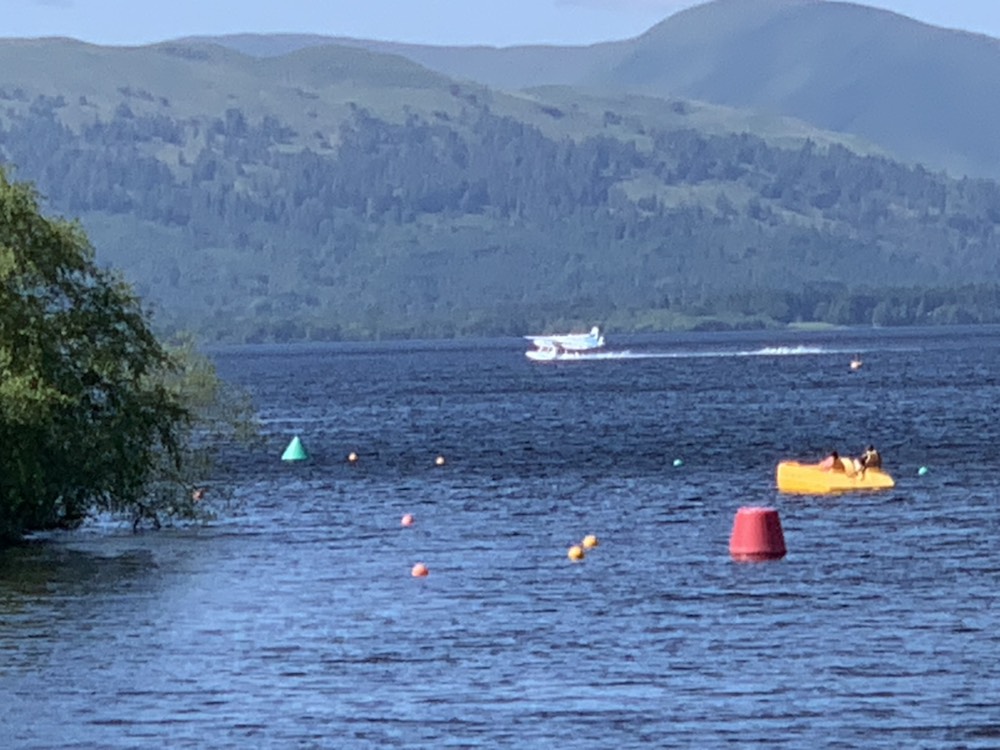
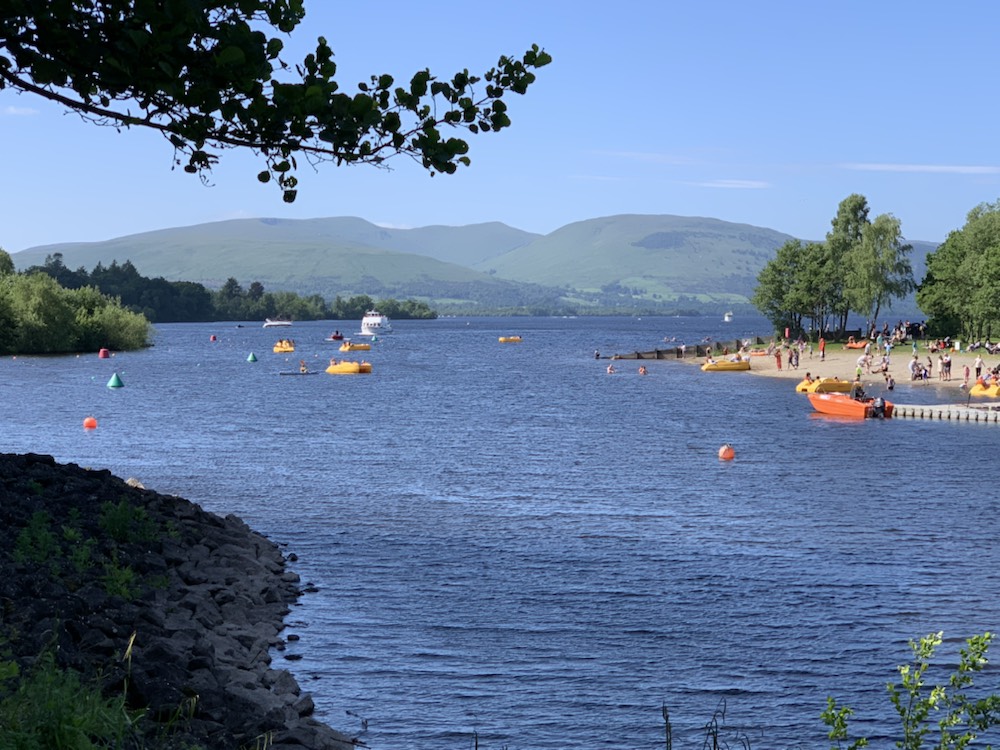
Back on the coach we then drove through the beautiful scenery to Loch Lomond, the largest lake by surface area in Scotland (Loch Ness is far deeper so is the largest by volume of water). When we arrived at the upper corner, the place was packed. It being Saturday, a gorgeous sunny day brought out many locals to enjoy the water. However this was further populated as it was a comic book character convention so there were stalls with everything related to comic books and characters dressed in outfits from those books. It was fun though to see so many people out and about enjoying the day.

After returning to the ship we had dinner and watched the show by the two very talented violinists who call themselves Electra. We have seen them many times before and greatly enjoy their music. Tomorrow – Belfast, Northern Ireland.

 Roger & Anne Travels