Saturday June 15, 2024 – Sardinia – Alhegro and Bosa Village, Italy
We arrived to the Island of Sardinia, now a part of Italy but was owned by Spain and other countries given its strategic position in the center of the Mediterranean. Alhegro, with a population of 45,000 is in the Province of Sassari in the North Western part of the Island. It got its name from Aleguerium (mediaeval Latin for Stagnant Algae) and during the Spanish occupation it was part of the Crown of Aragon and most of the population still speaks Catalan. Thus it is commonly known as Barcelonetta (Little Barcelona). The rest of the Island speaks Italian. It is located directly south of Corsica which is owned by France. It has a population of 1.6 million and is the second largest Island (after Sicily) in the Mediterranean.
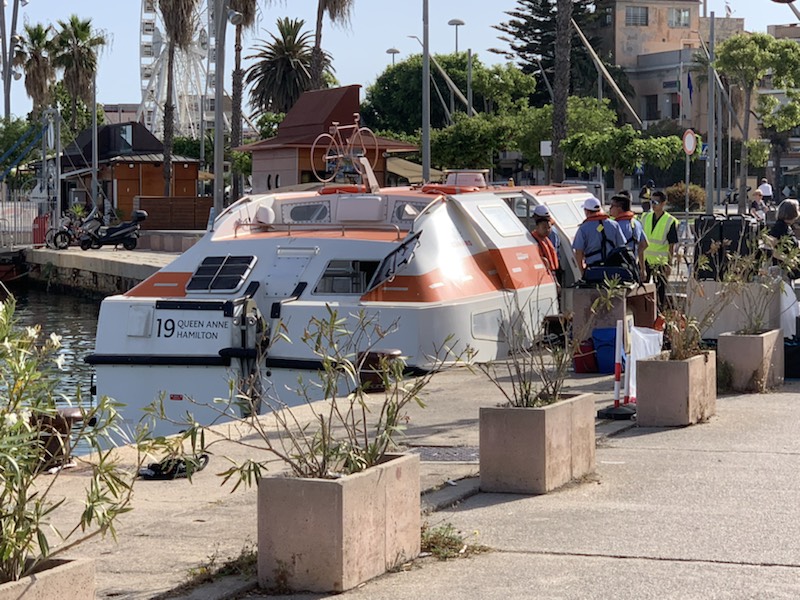
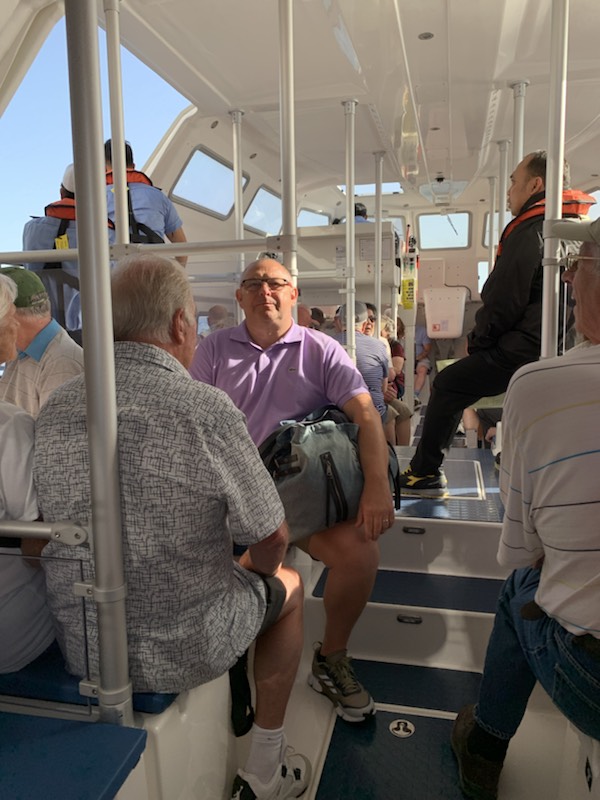
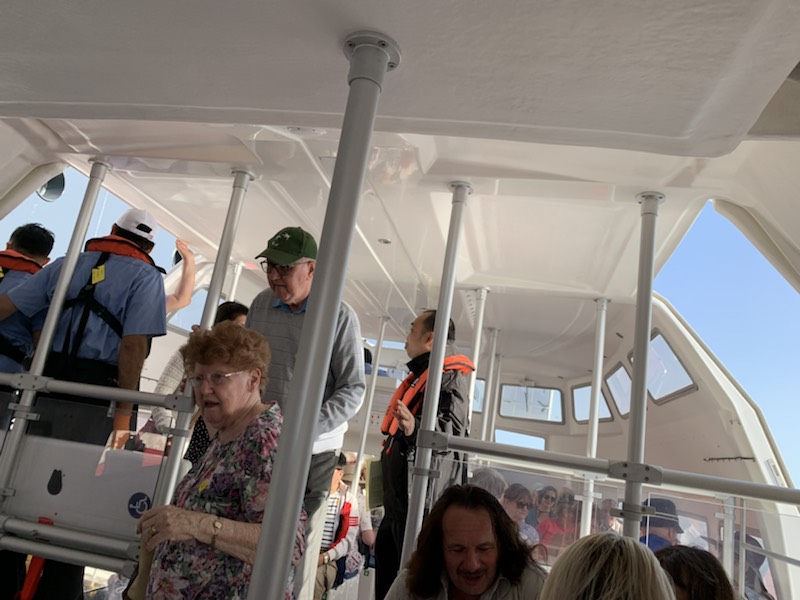
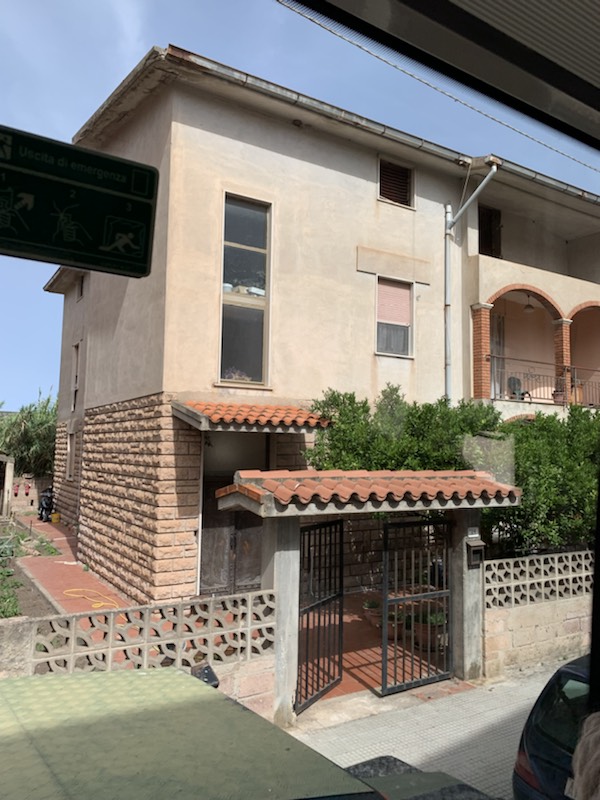
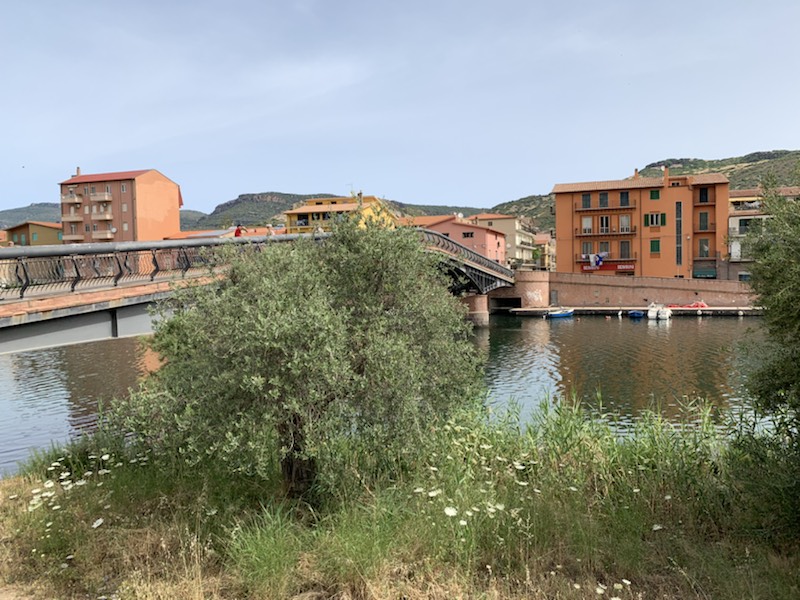
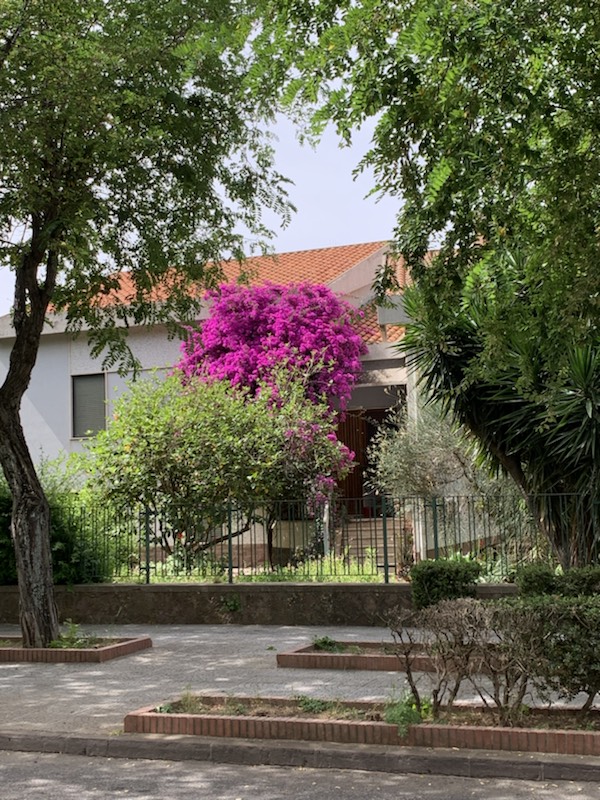
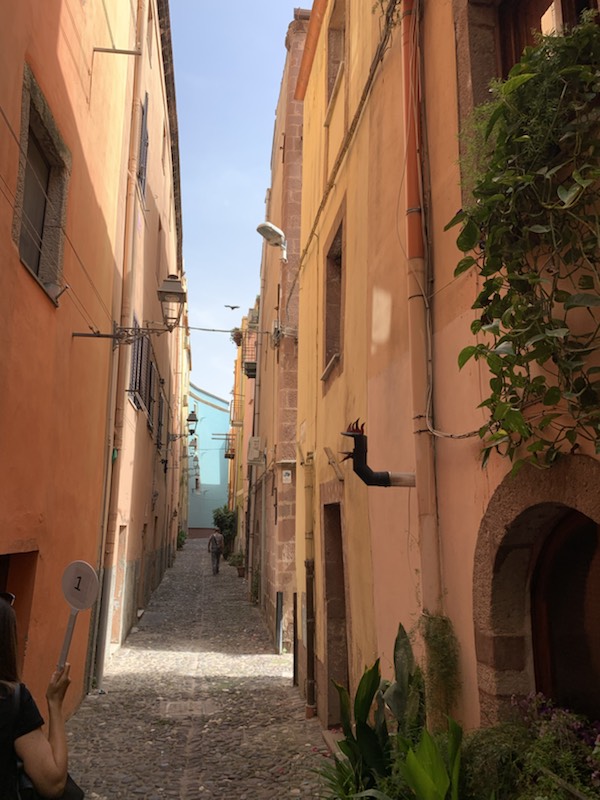
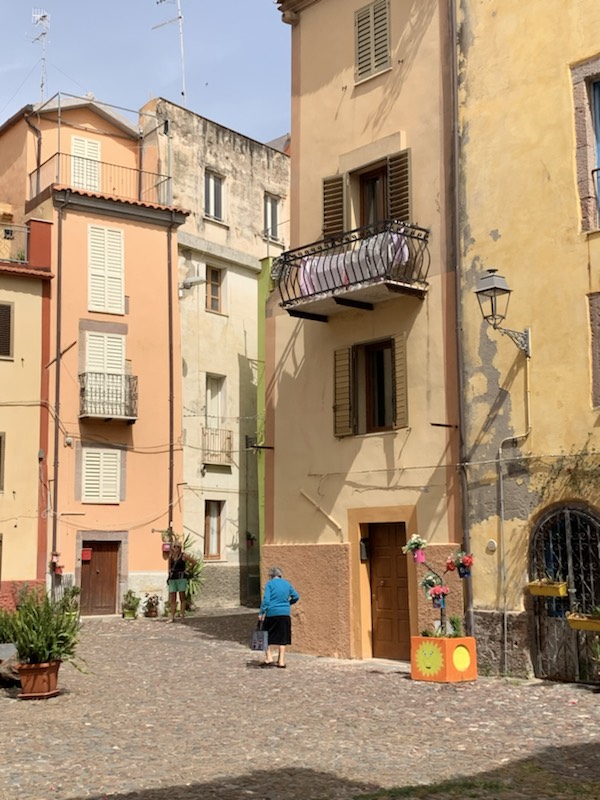
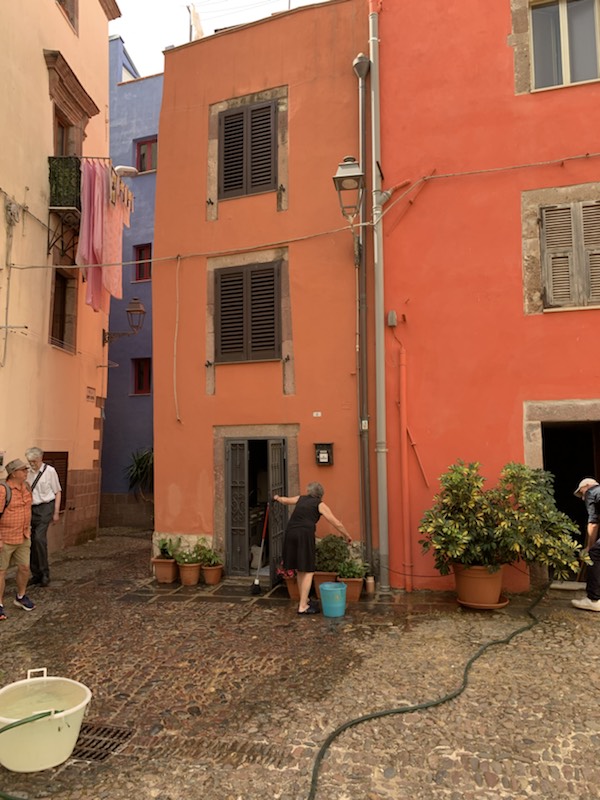
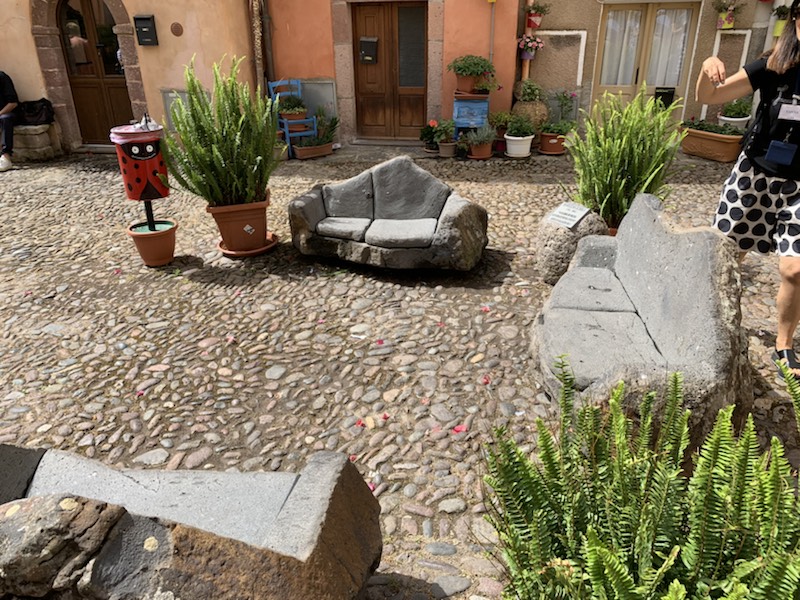
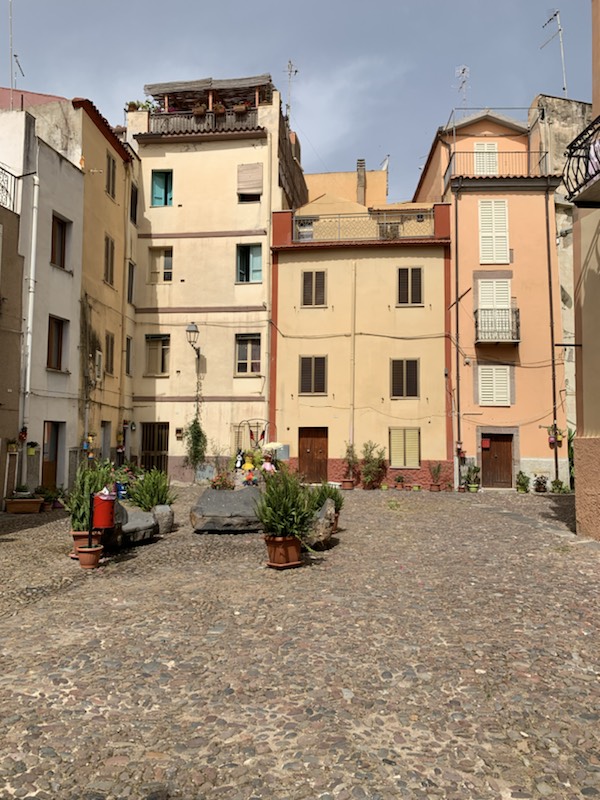
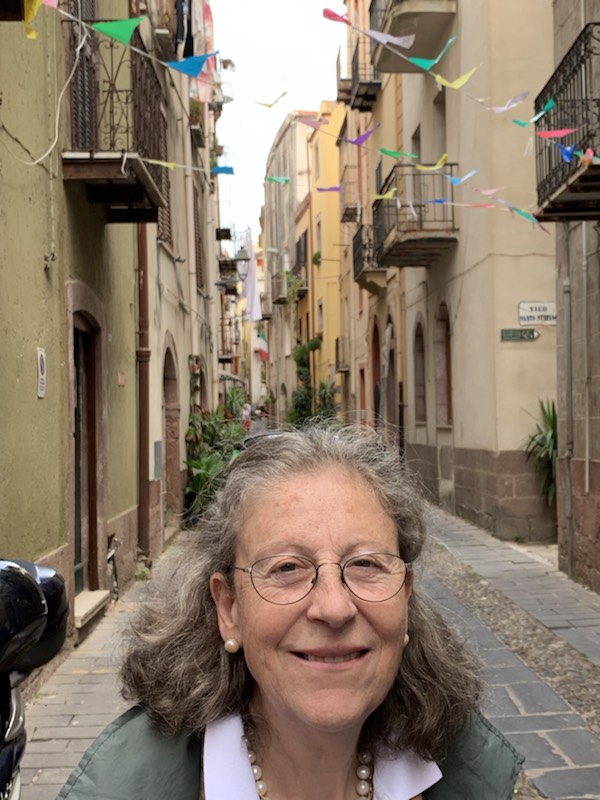
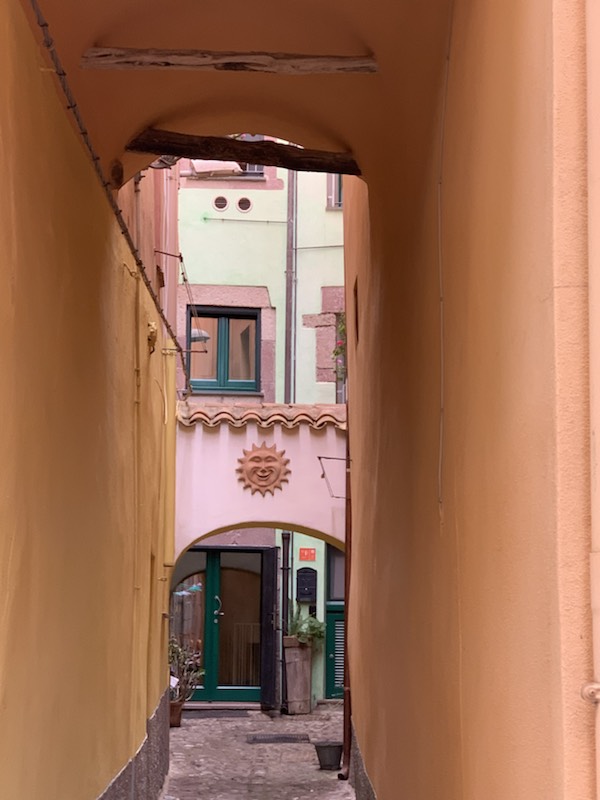
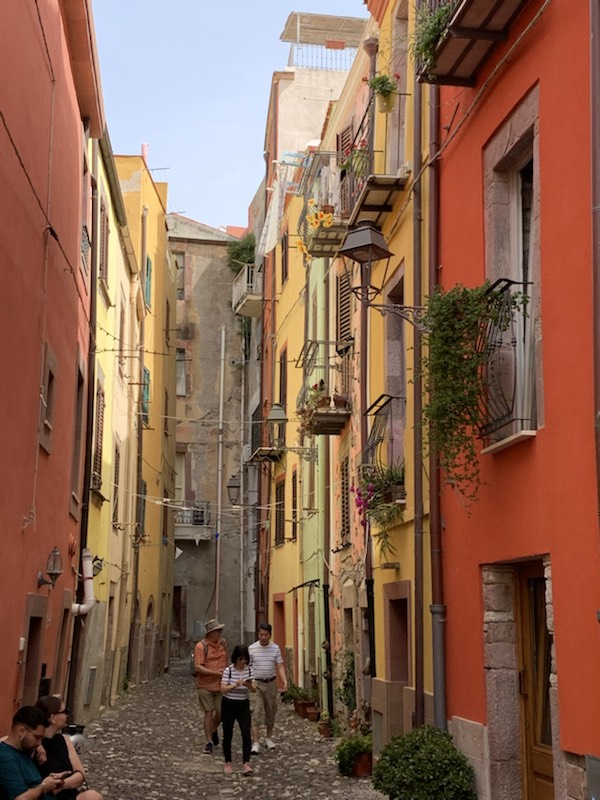
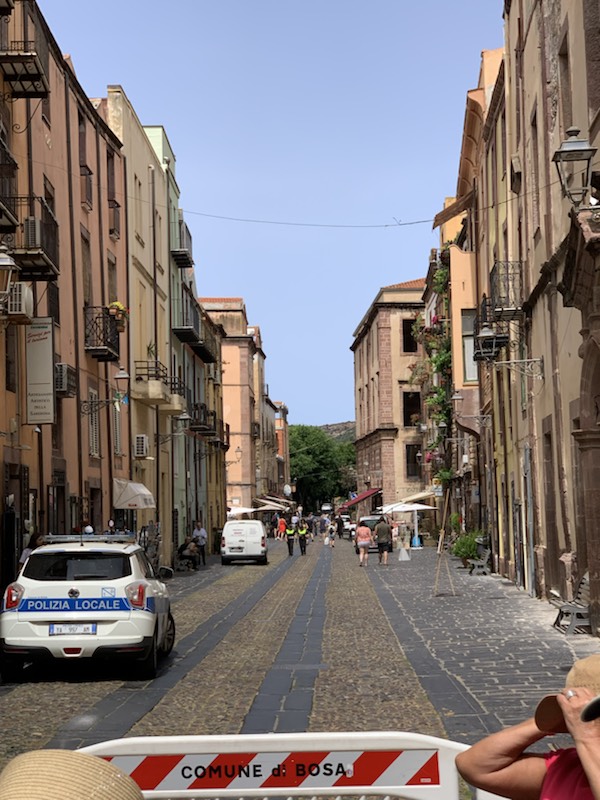
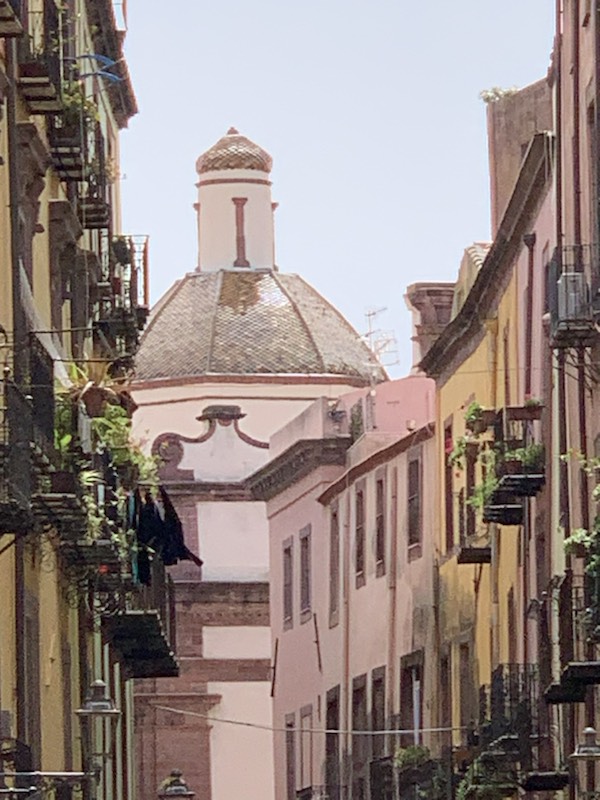
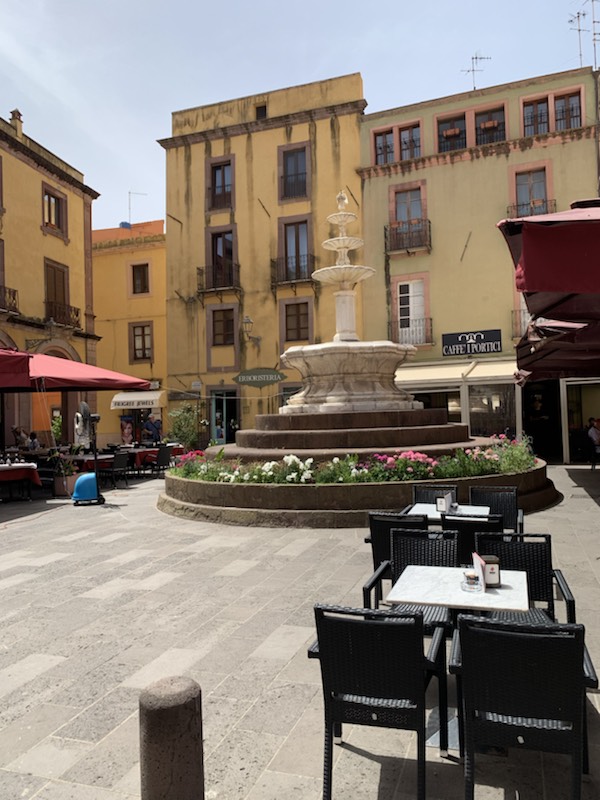
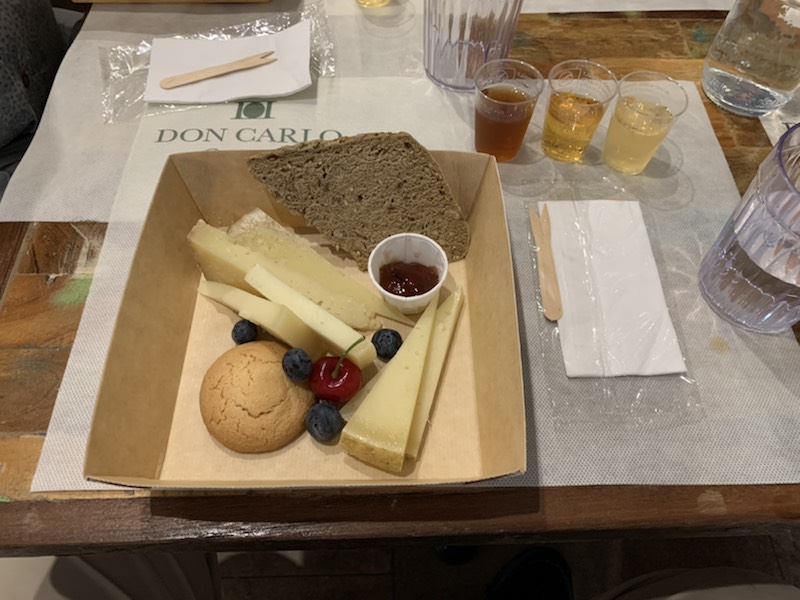
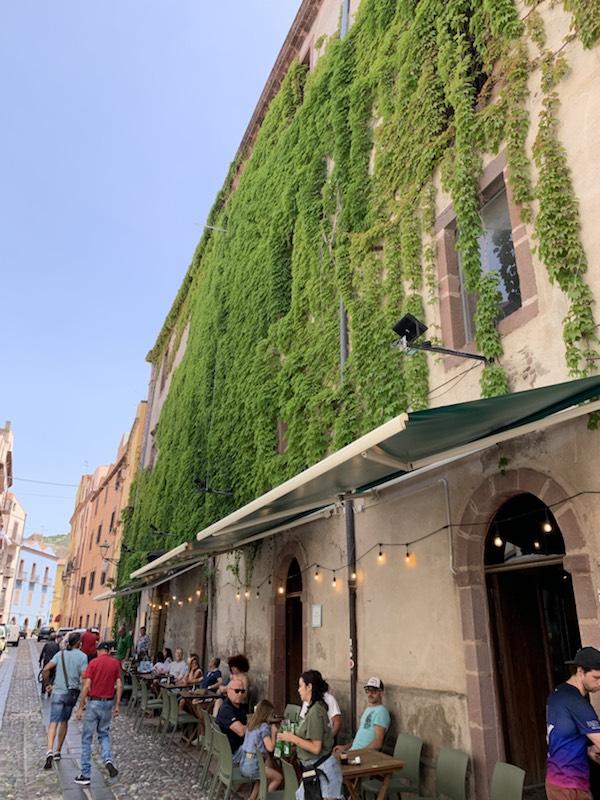
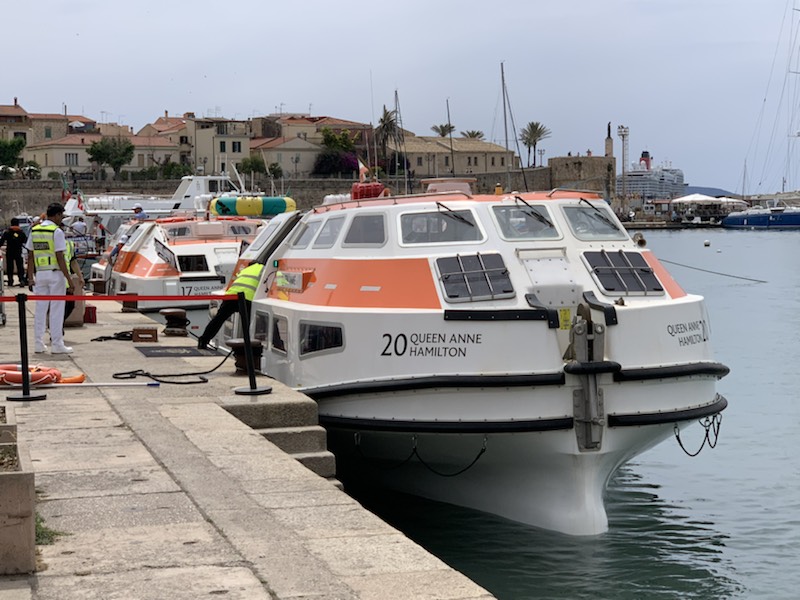
We met in the Queens Room as it was the first port, where the Queen Anne used its own tenders (lifeboats) which were very clean and beautiful. We were the first passengers to get onto the first tender (19) to be used to take passengers ashore as it was an 8:00AM start. Once on shore in Alhegro, we got together with the guide – Vanna who took us to Coach 1 with driver Pietro. It turns out that the coach itself was brand new and on its maiden trip!! All started very exciting. The guide was good and kept up the facts and figures for the one hour drive along the scenic coast road to Bosa. She gave us some historical perspective which goes back 20,000 – 10,000 years with the most notable indigenous group being the Nuragic which was around from the 18th century BCE to the 2nd century CE (AD) in some parts and 6th century in others. The Phoenicians were present, Carthage conquered parts by the 6th century BCE and then by Rome in 238 BCE, lasting 700 years. Vandals (456-534), Byzantium (533 for 300 years), Genoa and Piza republics all had a part of control of the island but it was not until 1324 that the Crown of Aragon was able to control the entire Island until 1718. At which point it was handed over to the Alpine House of Savoy who politically merged their island positions with those of the mainland and became the Kingdom of Italy in 1861 becoming the Italian Republic in 1946. Wine, Olive Oil, and 3 million sheep are the basis of the economy from an agricultural standpoint, with Pecorino cheese being made here and exported around the world. Tourism abounds during the summer season, but 90% of the hotels close during the winter months. A liquor, digestive sweet drink is favored by the locals called Mirto. Often it is made at home, although industrial bottles are available. The recipe consists of 1 liter of water, 1 liter of drinking alcohol, 1 kilo of Sugar and berries from the Mirto plant. They are left to mature together for 40 days and then consumed in small quantities at the end of a meal. The best Pecorino cheese is aged for 5 months although some stronger tasting cheese is aged for a year. In some local communities, the cheese is made with worms, which is considered a delicacy, but is not available to the general public for sale. As we were getting to Bosa, we saw some Griffin Vultures which can get to 1 meter long and a wingspan of 3 meters. Once in Bosa, we were escorted to a park and given 20 minutes free time. Not knowing which way to wander, we walked along a tree lined street which was obviously a place for locals to get daily produce, medicine, clothing etc. A little dilapidated and not very interesting. We assume that as there was no toilet break, this was really a time for those that needed the facilities, to find a coffee shop and make use of the restaurant “happy room” (as it is referred to in Asia)!! Once re-assembled, the guide took us through the narrow alleys that were the streets, barely wide enough for a motorcycle or perhaps 2 people walking side by side, admiring the different, brightly colored houses that were the fishermen homes of years gone by as we were told that as they returned from the sea they could identify their respective homes before reaching land. Due to the flooding of the river that runs through town, the bottom floor is usually an inclined empty room so depending on how high the water is one could enter higher or lower and as the water subsided, it was drained out. They had one room on each floor, with the kitchen occupying the top floor, to easily vent the smoke and to carry the food to the roof which is usually where the meals were served. Because of the water the subsoil was soft and there were some buildings that were in an obvious incline. Eventually we reached a restaurant Don Carlos, where we were offered local cheese and three tiny plastic glasses (like those for taking cough liquid medication) with a dark, a medium, and light colored liquids. The dark was the most aged local wine and somewhat bitter. The middle one, less aged wine had a slightly sweeter taste, and was perhaps the best (or perhaps I should say – the least bad)! The light colored one was sweet and accompanied an almond macaroon type biscuit, which was quite tasty. After a few more minutes of free time we wandered back, crossing the river over an attractive footbridge to the coach, where we retraced our steps along the same coastal road to Alhegro.
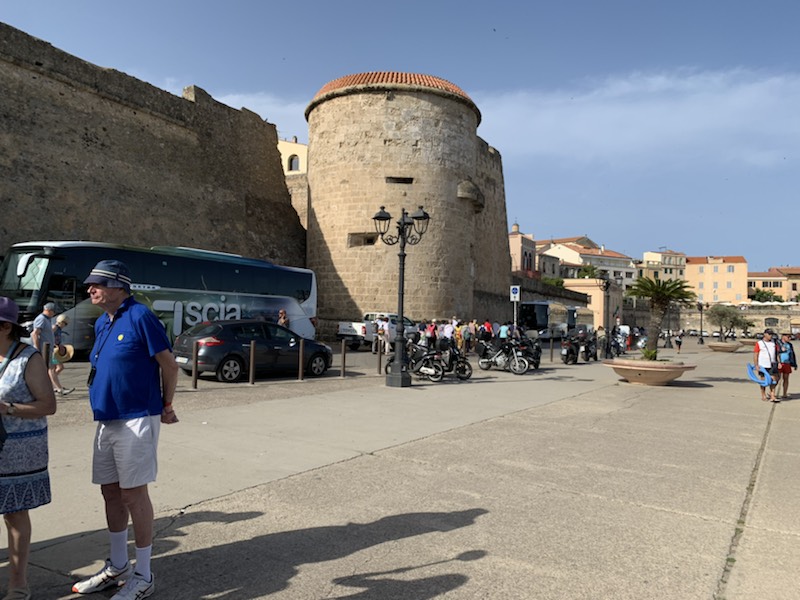
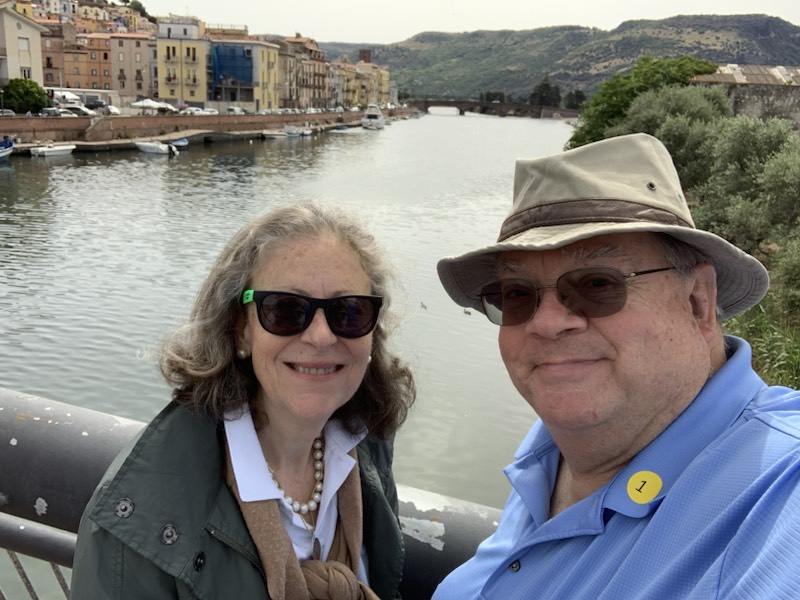
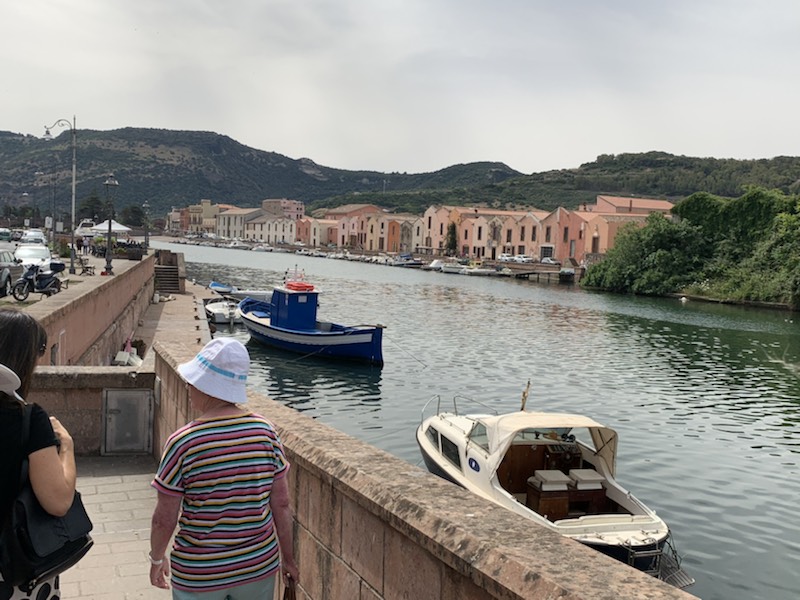


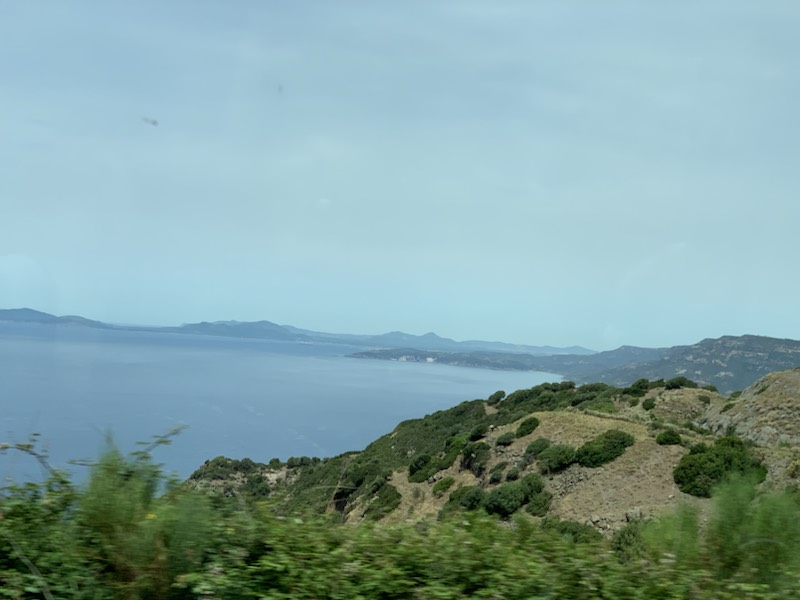
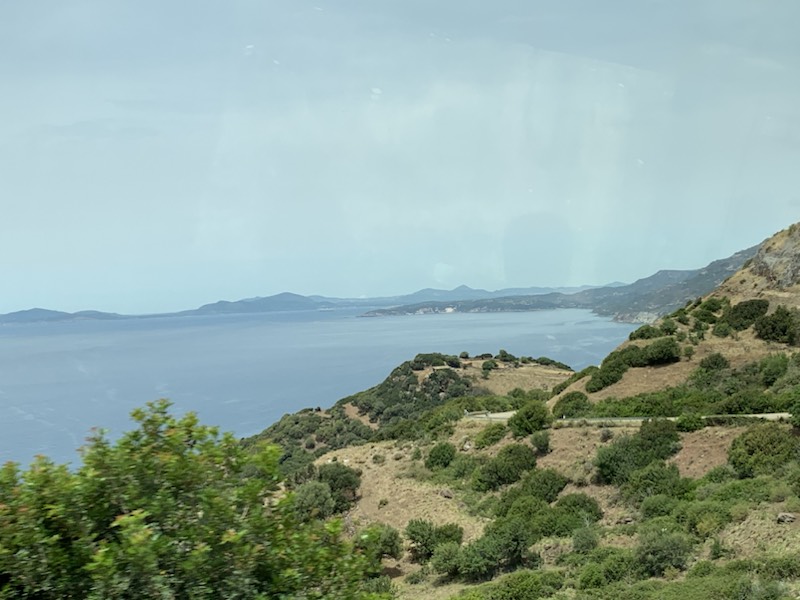
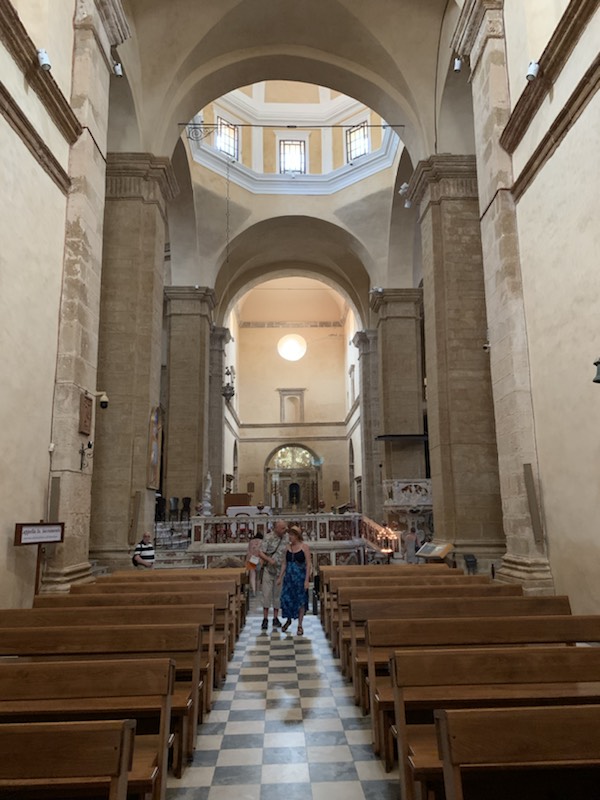
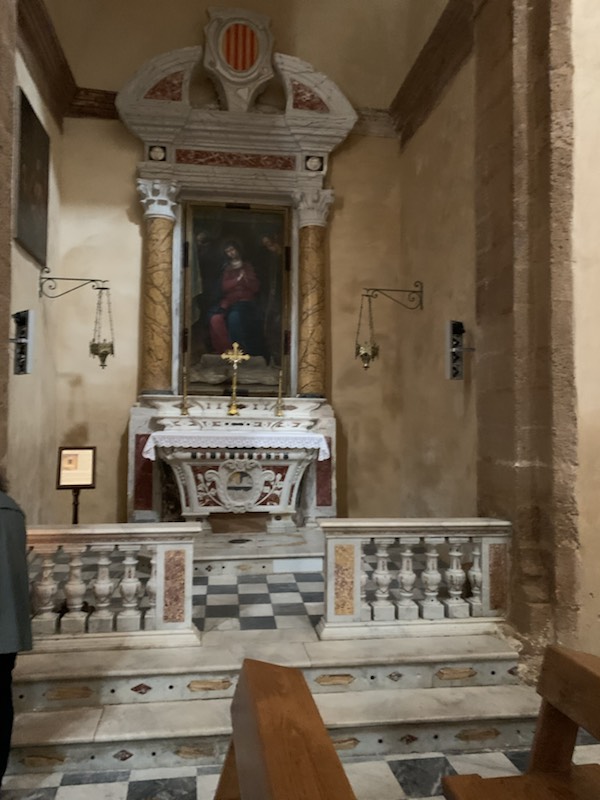
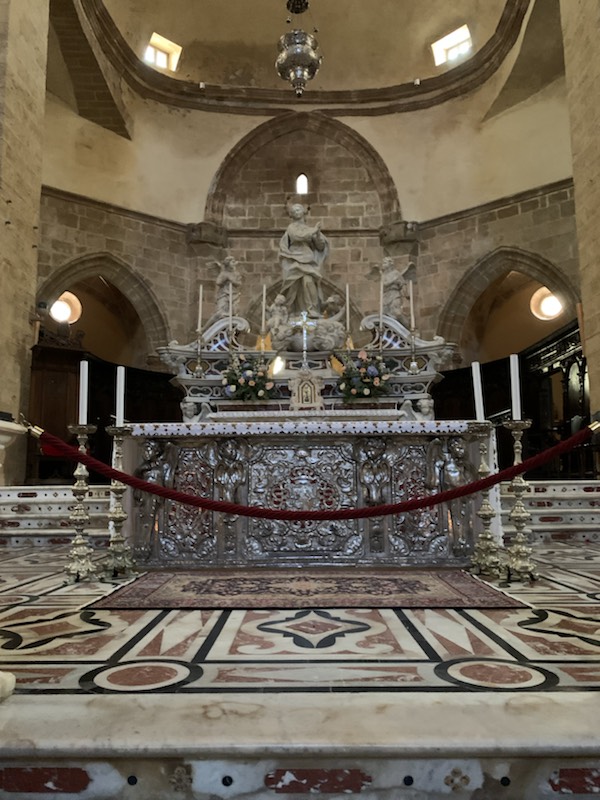
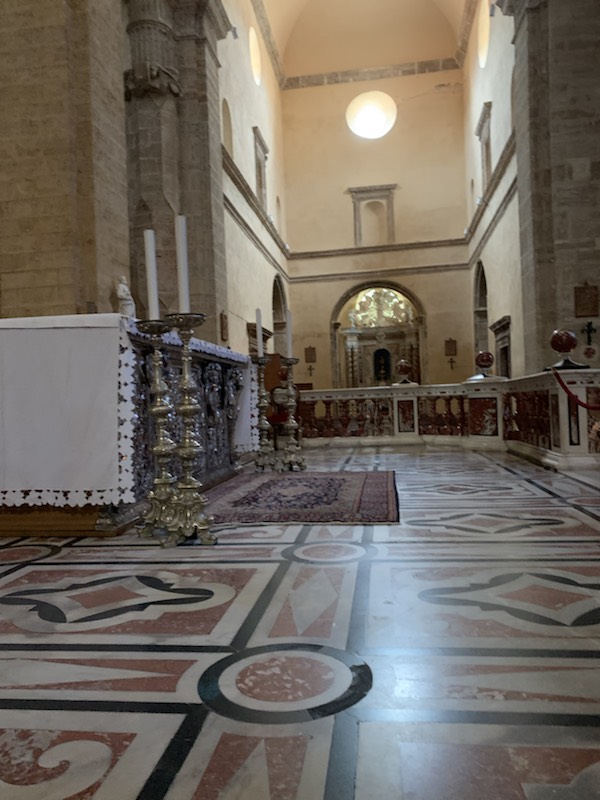
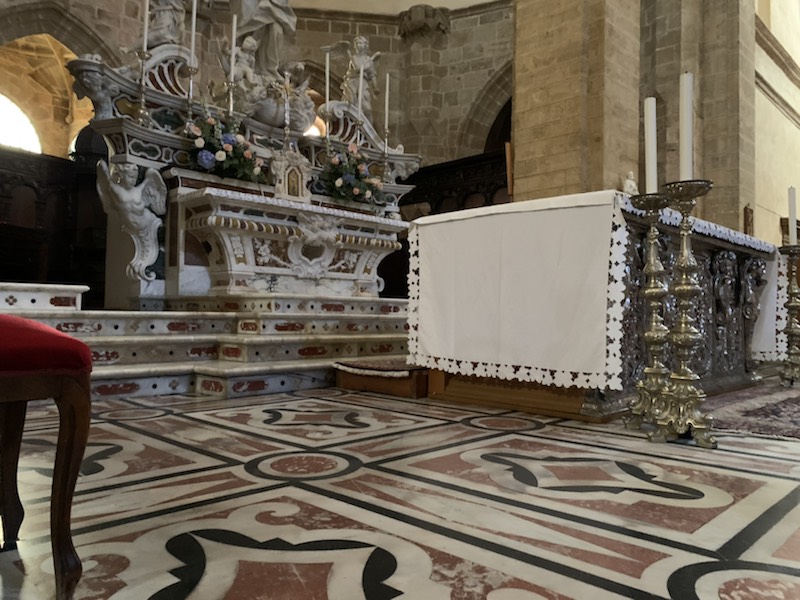
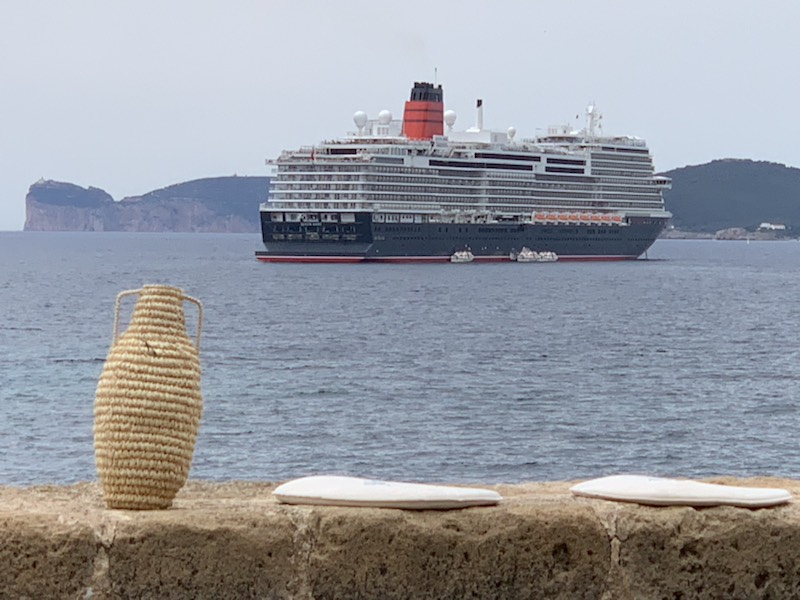
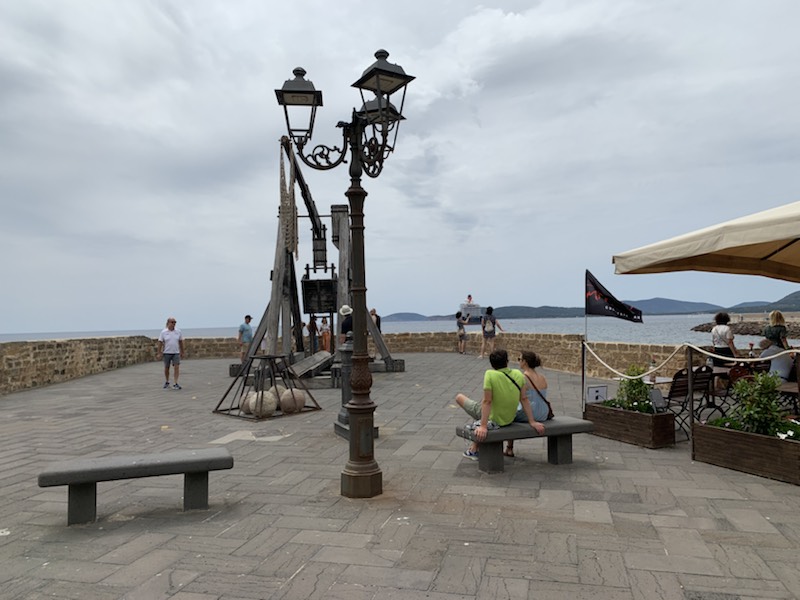
We asked the guide for a good place to eat was and she pointed us to several restaurants past the Cathederal on the “mirador” (scenic view over the water). We stopped at the relatively simple Cathederal, with a beautiful rosetta window and silver altar, being prepared for a wedding. Then to the restaurant, selecting one, but after sitting for a while studying the menu with no service we got up and went to another one. Here at Angedras Restaurant the service was about as bad, but the menu appeared a bit more attractive. The food was at best adequate, so not recommended. We wandered back along the old fortress walls to the tenders, but were accosted by two women and a baby begging for money. Something did not seem right as they were persistent and followed us, a little too closely for my liking. About five paces on, I stopped, felt my back pocket and my wallet had been stolen. We immediately turned around, started confronting the Gypsies, with Anne going after the woman with the baby, diving into the shawl where (the plastic) baby was being swathed, finding 20 Euro notes and took those. The other woman, seeing that things could get worse, threw my wallet on the ground. I picked it up and we scurried away – with wallet and handful of 20 Euro notes!! Crime does not pay when Anne is on the warpath!!!! We should have reported it as Anne recommended, but I preferred to get onto the tender and back to the safety of the ship.
The evening performance was half the juggler musician – Goronwy Thom, and half the superb Italian Cellist, who lives in Japan who we had seen on other cruises – Andrei Cavassi.

 Roger & Anne Travels