Monday June 17, 2024 -In Palma de Mallorca, Spain
We docked Port to Dock in this busy port of Palma de Mallorca, a Spanish island in the Mediterranean that belongs to the Autonomous Region of the Balearic Group and is the capital and largest city of Mallorca situated on the Bay of Palma. The other islands that form part of this group are – Menorca, Ibiza, Formentera and some smaller islands such as Cabrera, Dragonera and S’Espalmador. Archaeological evidence places the earliest inhabitants to being here around 2500 BCE coming from Western Spain or France and known as the Bell Beaker Culture. As with other Mediterranean islands, many cultures – Greek, Roman, Viking, Ottoman, Turks etc all ruled the islands during their history. The King James I of Aragon captured the islands (one by one between 1229 and 1236) and they became part of the Kingdom of Aragon. The British ruled Menorca for most of the 18th century. However it is now firmly under Spanish control, although during the Franco era, some islands supported the Nationalists while others the Republicans. Spanish, Catalan and a local dialect are all spoken, but the first two are considered the “official” languages.
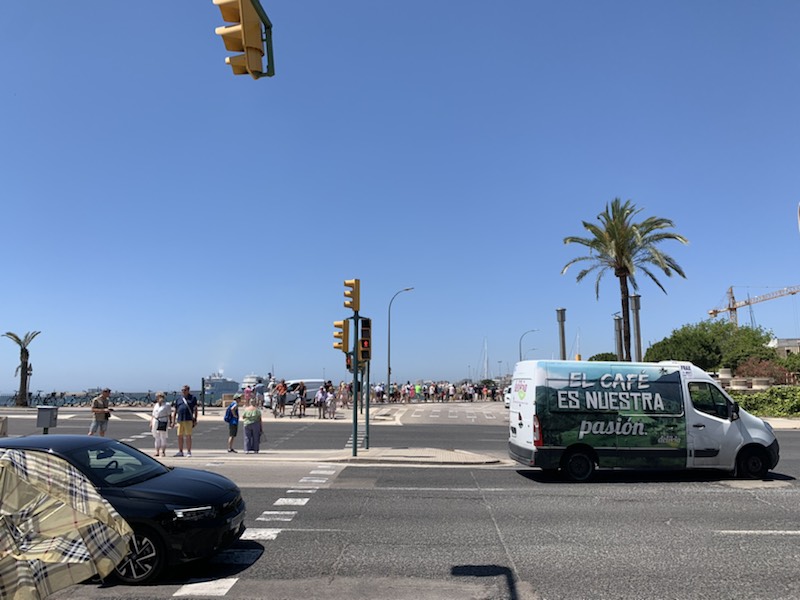
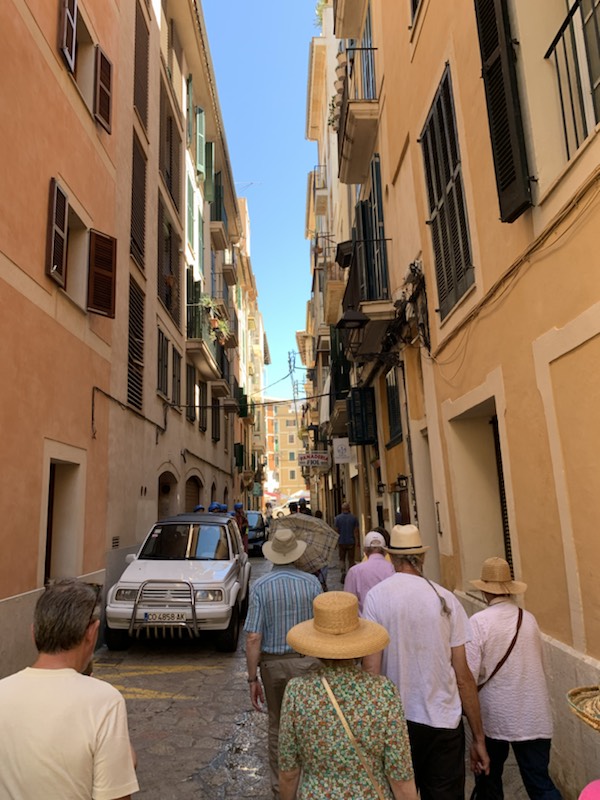
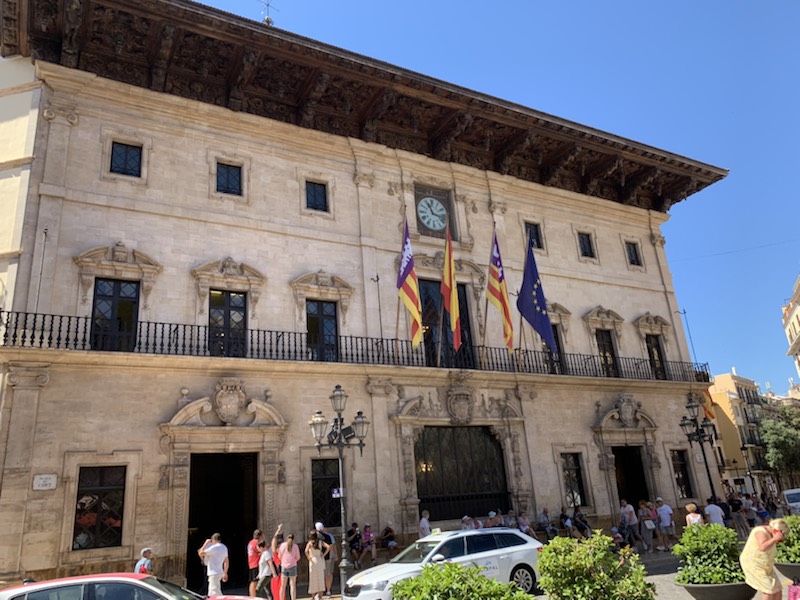
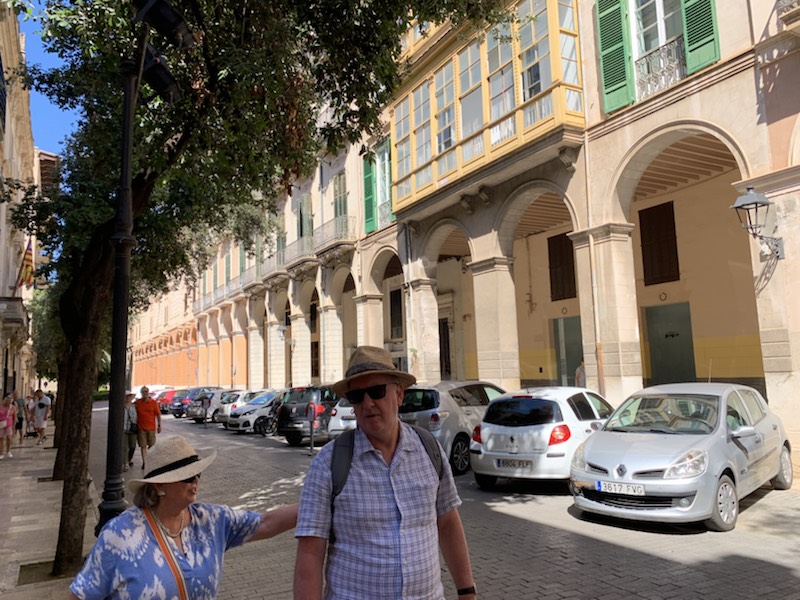
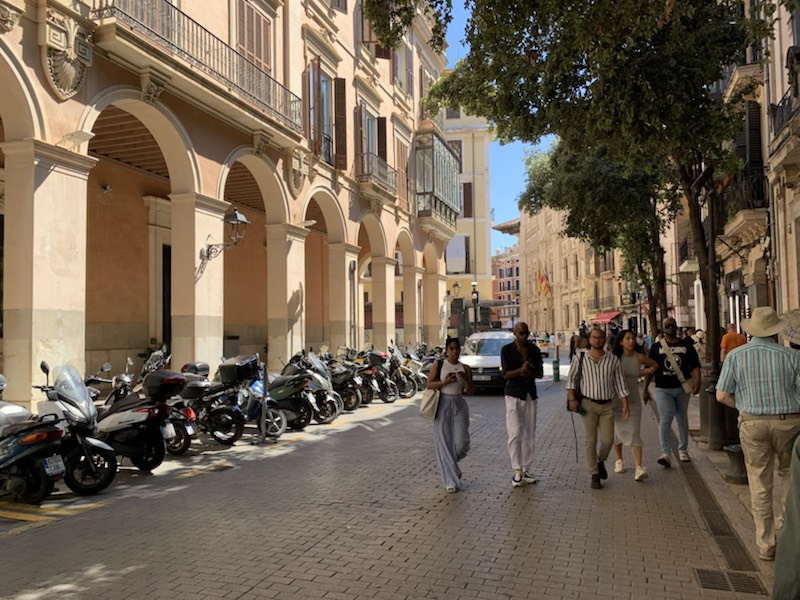
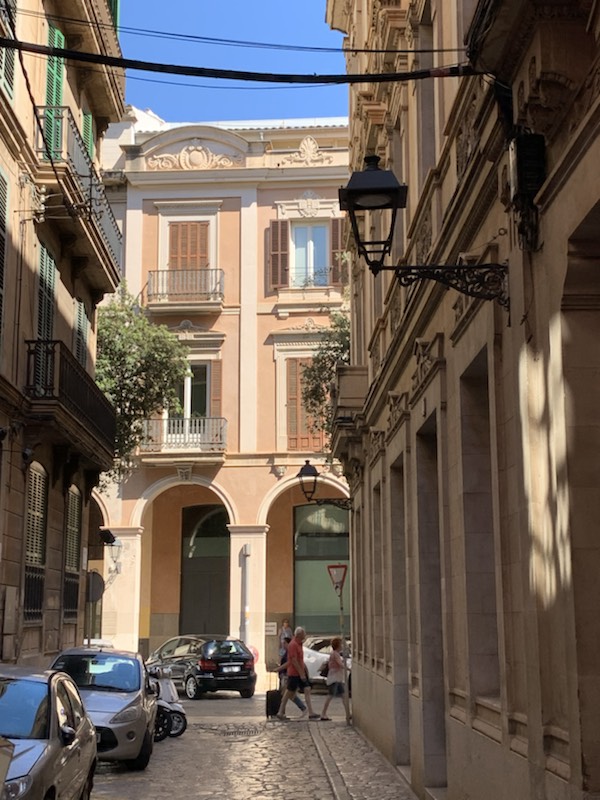
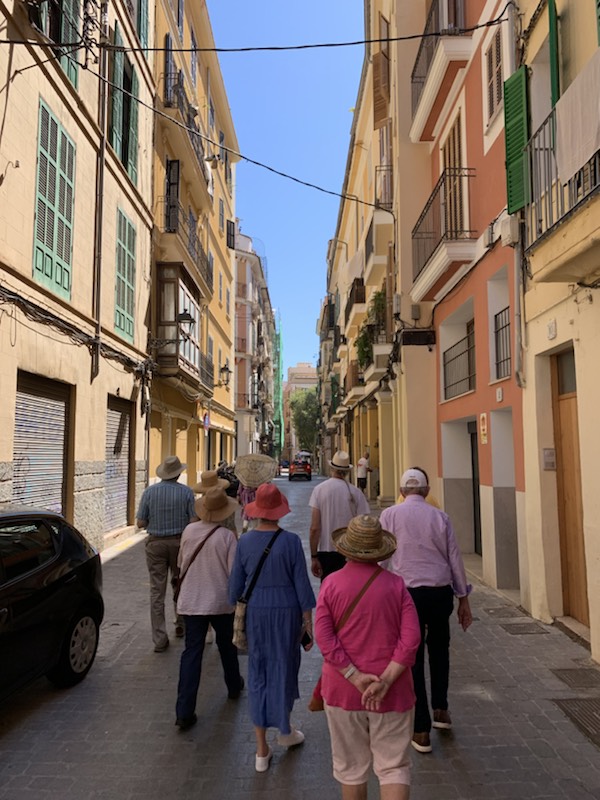
We boarded Coach 10, a double decker coach, in a small (25) group and the guide Diana introduced herself and the driver – Emilio and we were off on the tour “Best of Palma”. The guide was one of the worst we have come across anywhere in the world. Certainly there are about two others, the last one being in Durban, South Africa, that vie for the title of worst ever. Her English was um, word, um, um, word, um err, err, word speaking continuously. Her Spanish was not much better and heavily accented. She soon lost the interest of the group, particularly as she made things up as we went along. The population is 1/2 Million, later 1 Million, there are 10 Million tourists a year, an hour later it was 12 million. When we walked the streets, she kept asking for directions as she was lost and we wandered back and forth, looking for a restaurant. We had been told it was take out, but she insisted on everyone being sat at tables. Then asking Chocolate or Ice Cream? We were served nice buns very light and just had a sprinkling of powdered sugar. Still the question Chocolate or Ice Cream? Some raised their hand to one while others to the other alternative, not knowing what we were to get. Anne and I said chocolate and expected a bar of local chocolate. What we actually got was a very tasty hot chocolate. The Ice Cream was almond flavored. We eventually found our way out of this “maze” she created for herself. Suffice it to say that one person just walked away from the group. The guide spoke as she walked, with all of us trailing behind her, not understanding what she was saying, so by the end, no-one paid much attention to what she was saying and I don’t think anyone gave her a tip. The driver and I had a long chat with in Spanish and he was very pleasant and provided a lot more information. He suggested that the tour was done in the wrong order as usually one goes to the round castle first and then into the historical part, that way those who wanted to stay could pick up the shuttle in the center of town. Also she kept saying we are going to the castle but it is closed. We all assumed that they were doing renovations. The driver explained that it is always open except Mondays so that’s why it was closed today. Enough about her. What we saw was a very overcrowded city, very hot, but fascinating architecture and a really enjoyable place to visit.
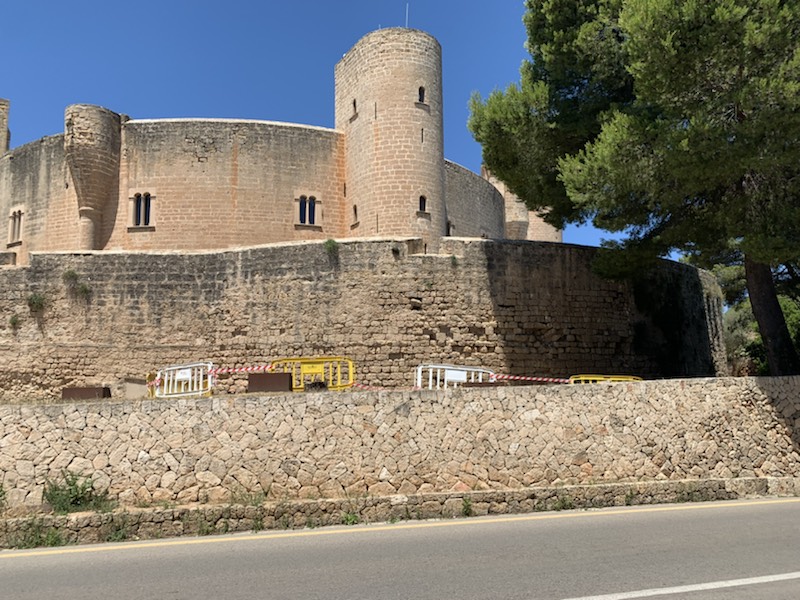
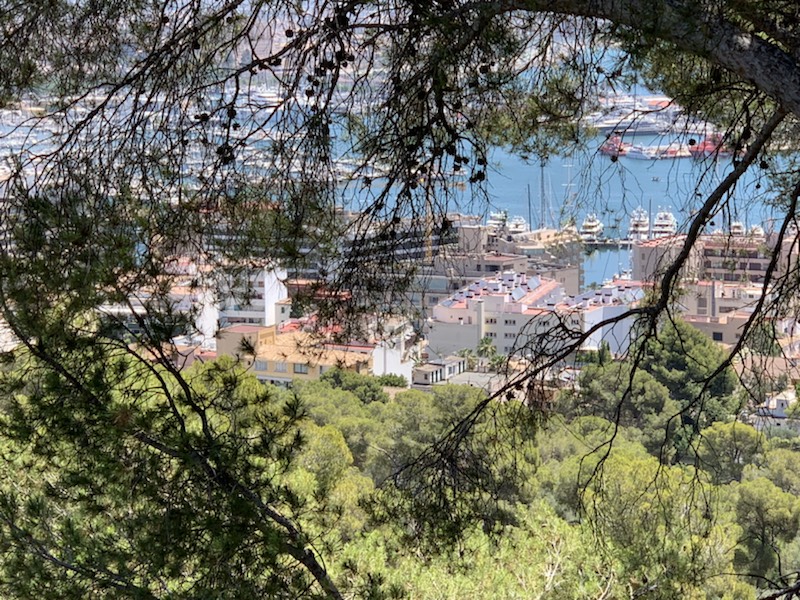
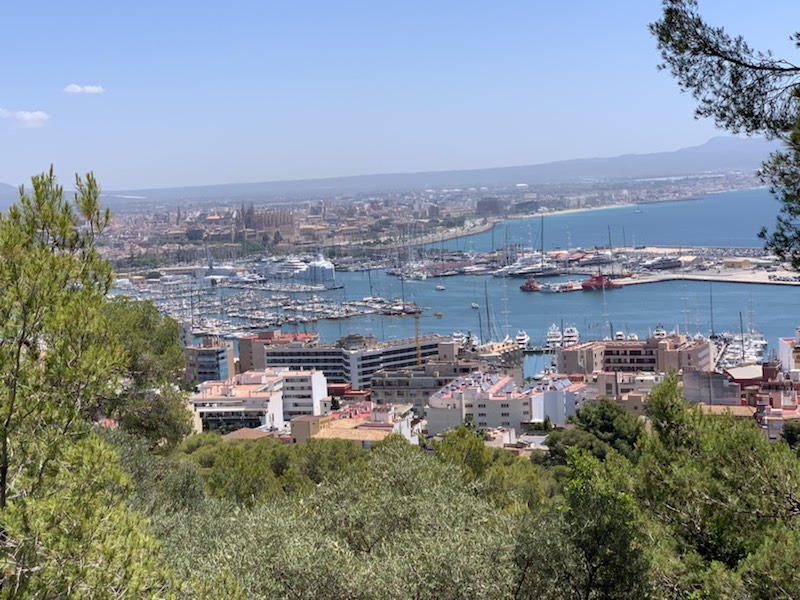
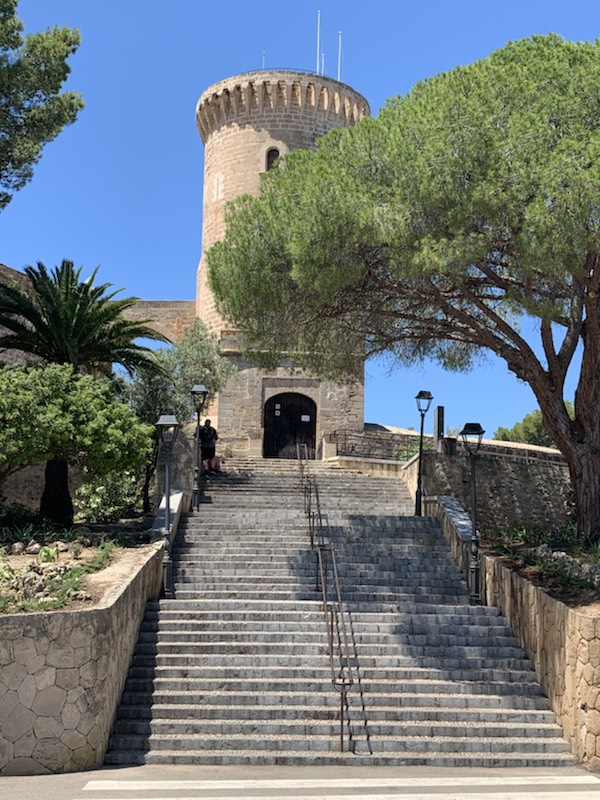
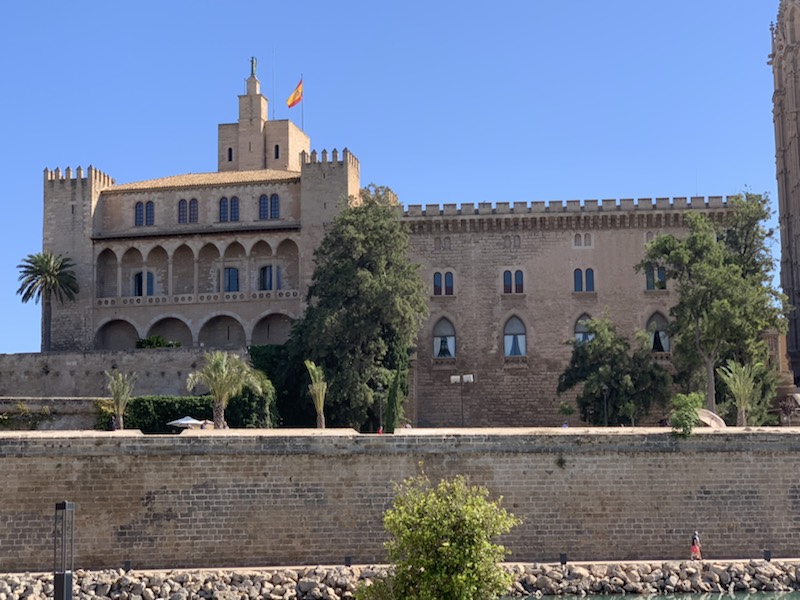
The three key places to visit are the Castle, the Cathedral and the La Almudania Palace. The Palace is moorish in architecture and the official residence of the ruling Spanish family. When they are not in residence it is open to visit, but we just walked through the gardens and onto the Cathedral. Likewise the round Bellver Castle situated at the top of the hill, overlooking the city and harbour, provides a fantastic viewpoint, but being Monday it was closed. It is the only completely circular castle in Europe and was built as a fortress, although it was used as a jail and now a tourist attraction. So, the main part of the tour was the Cathedral.

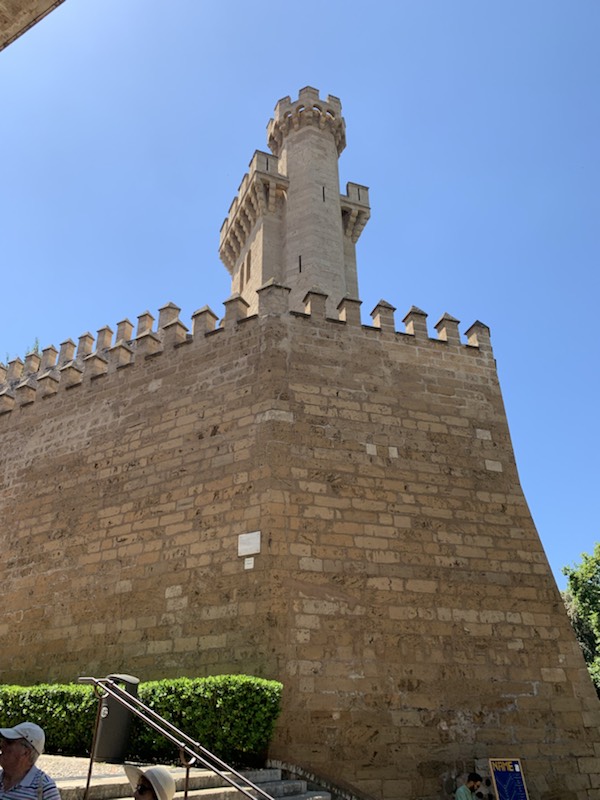

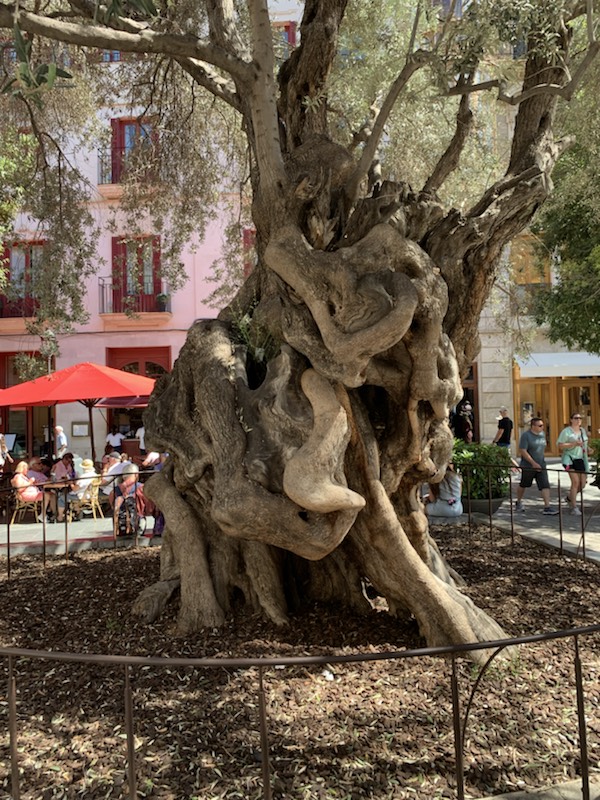

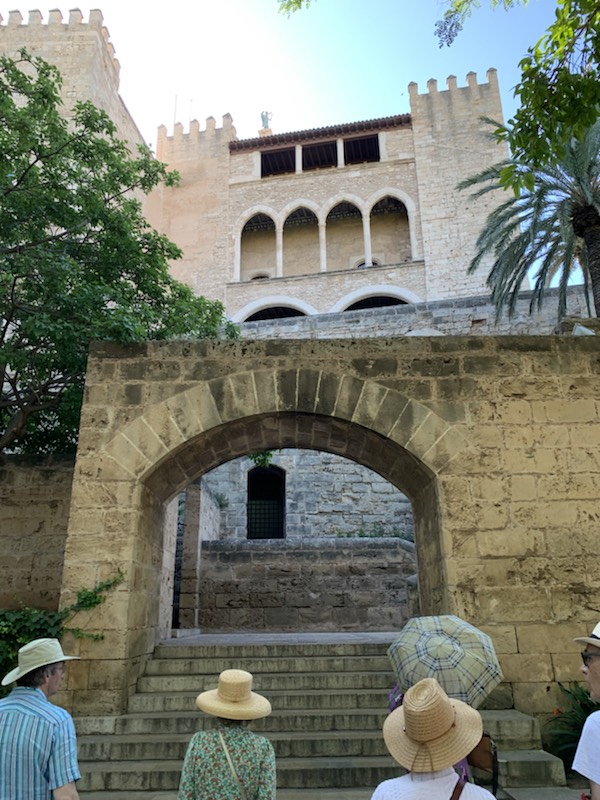
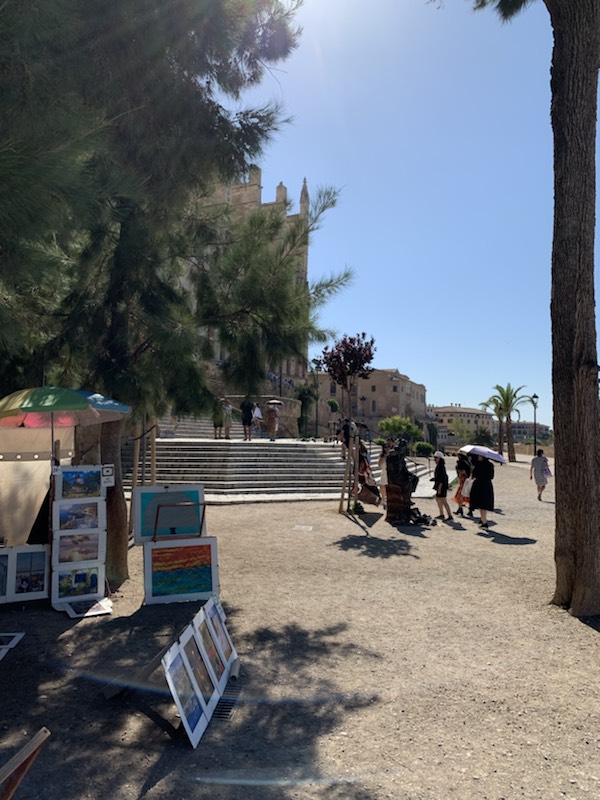
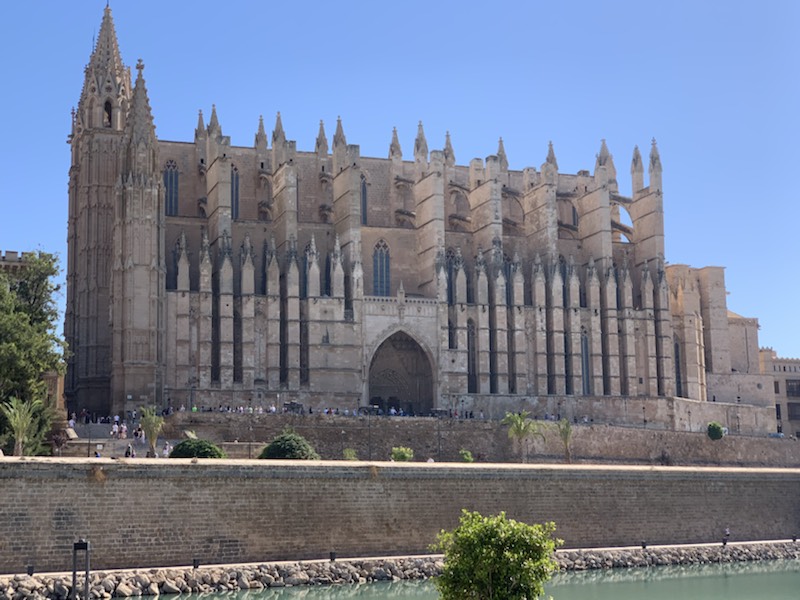
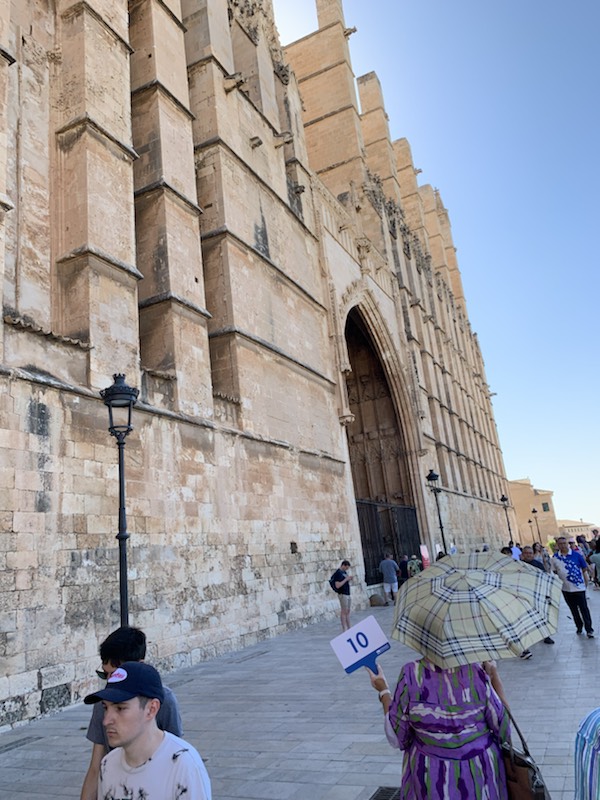
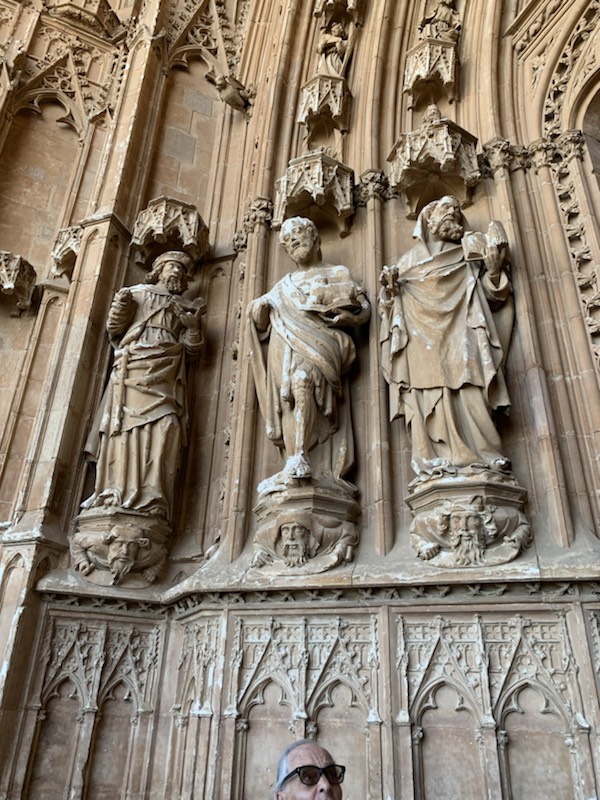
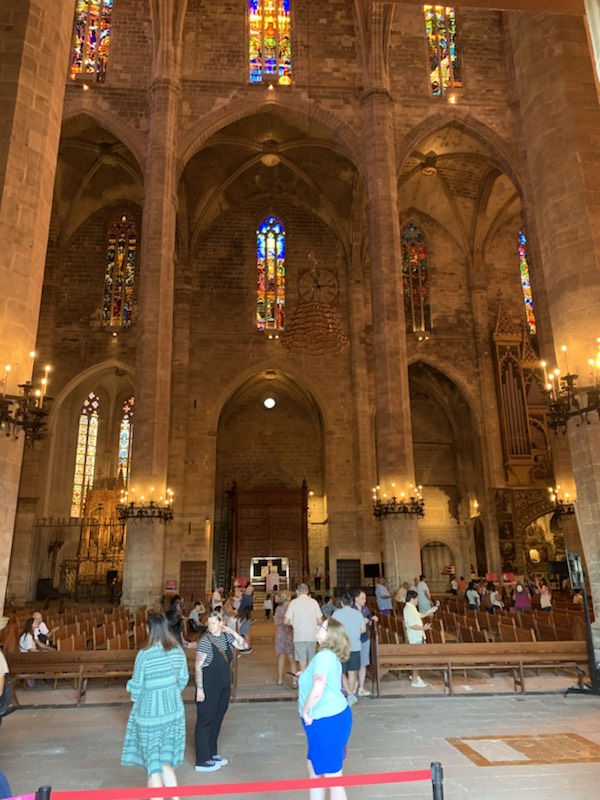
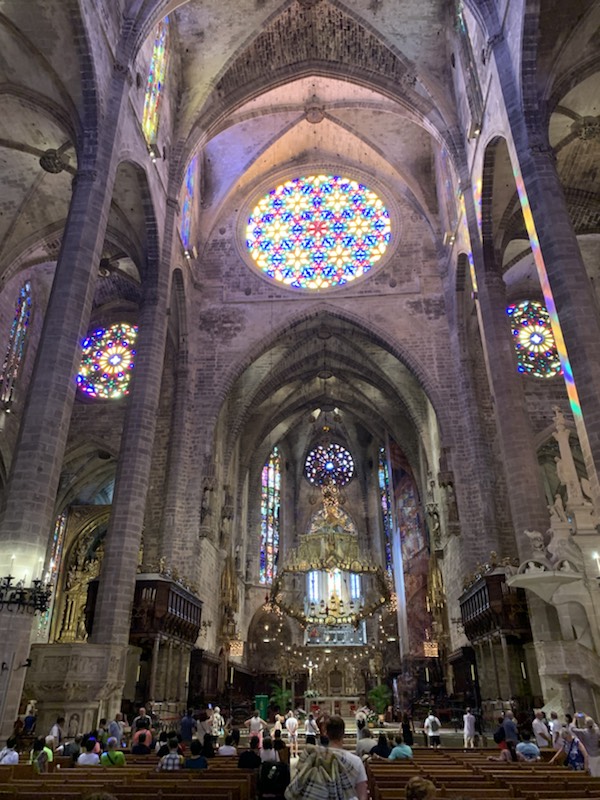
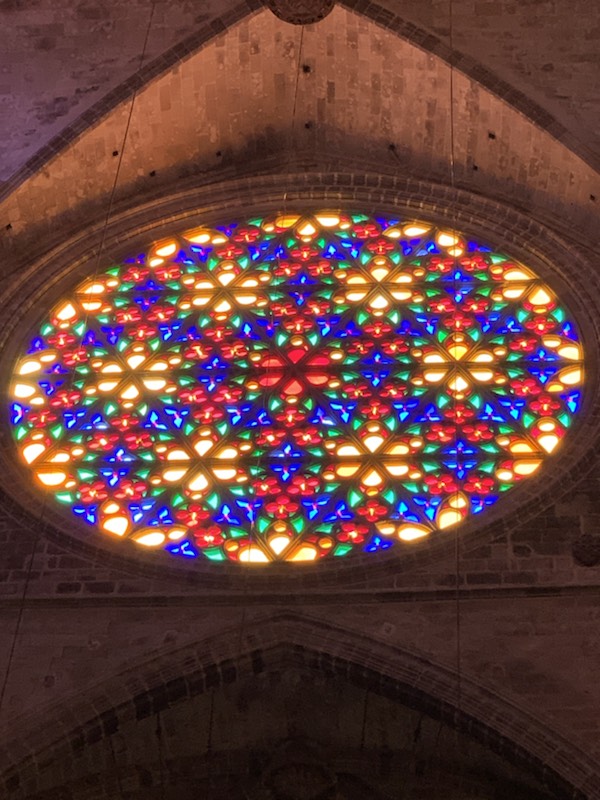
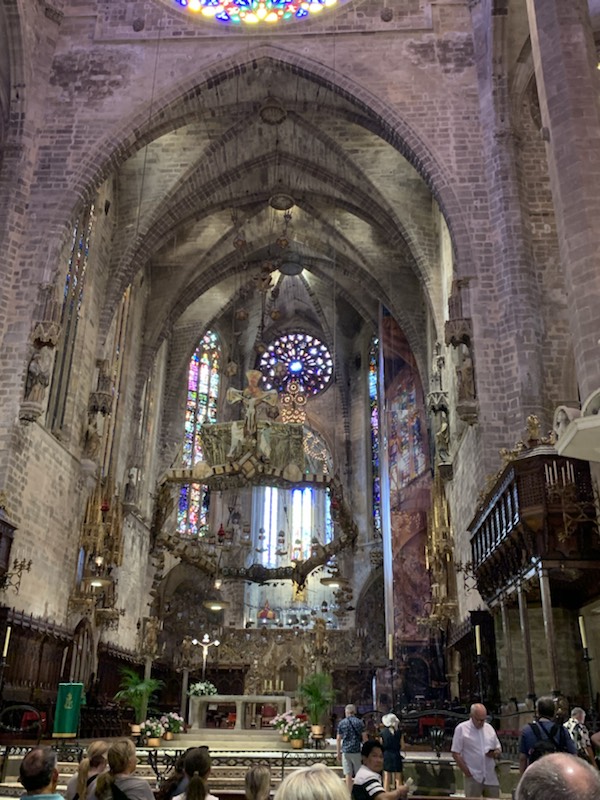
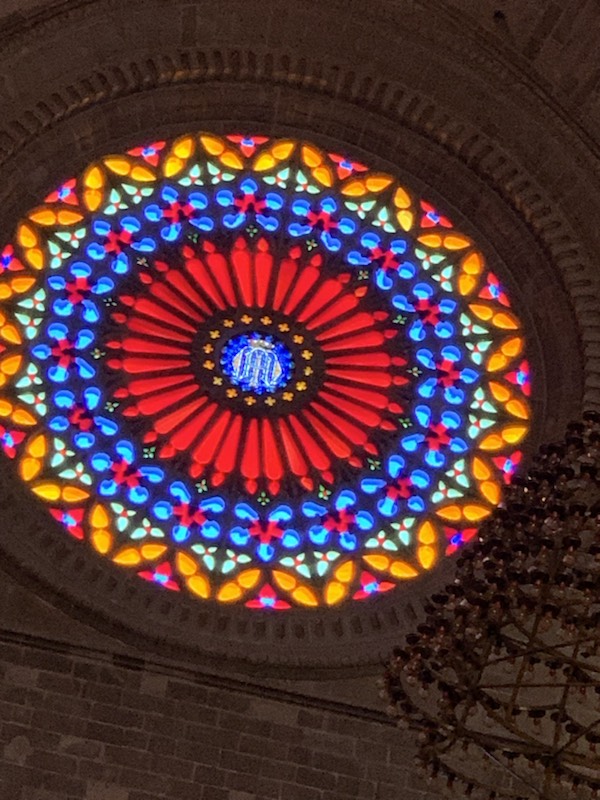
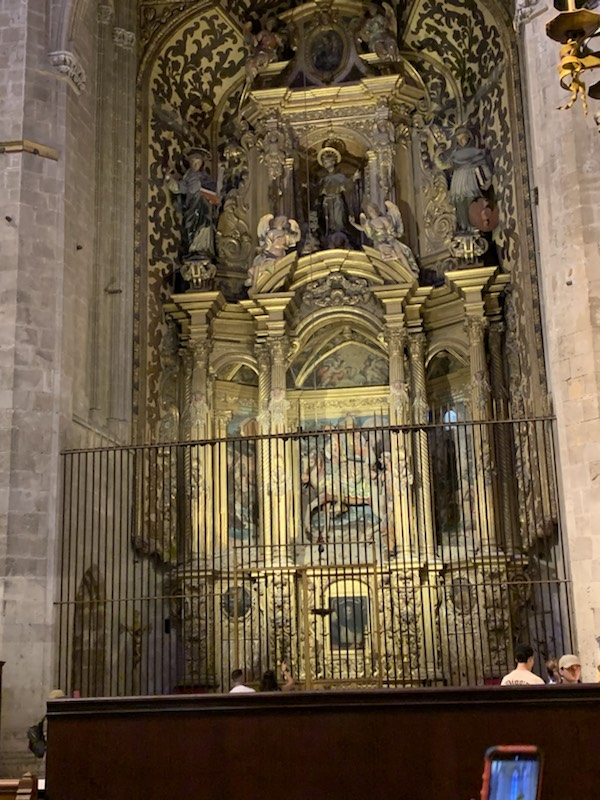

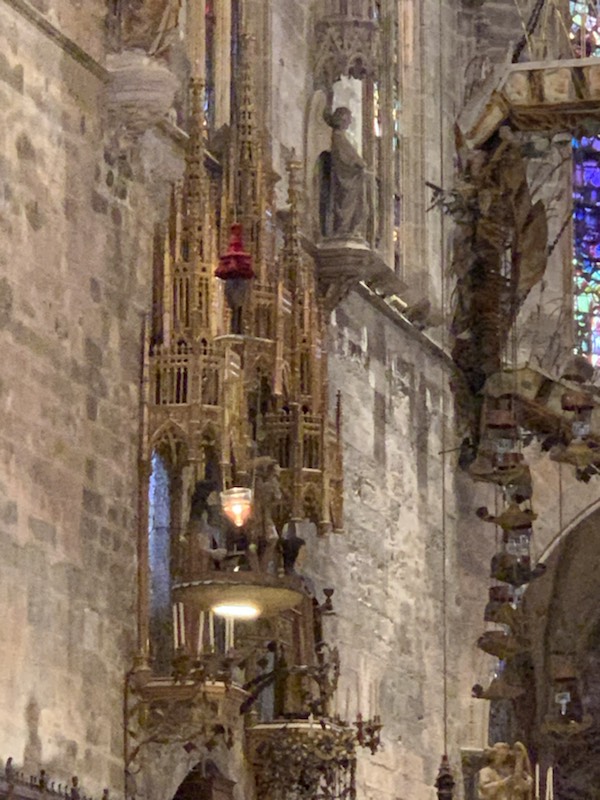
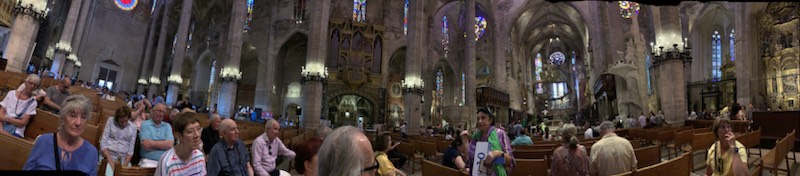

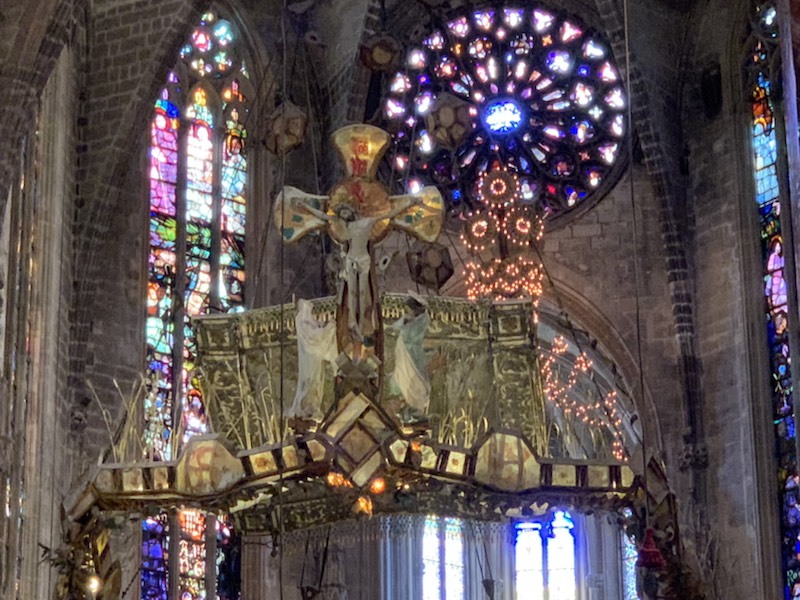
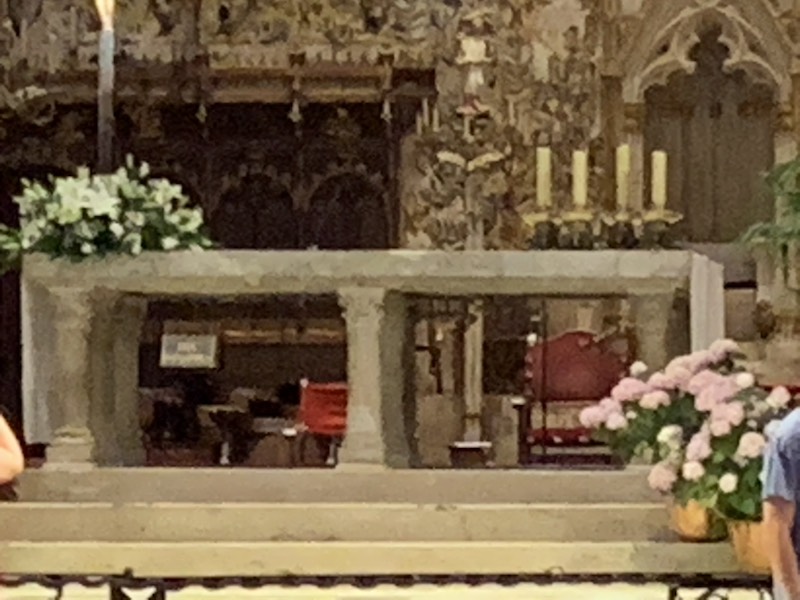

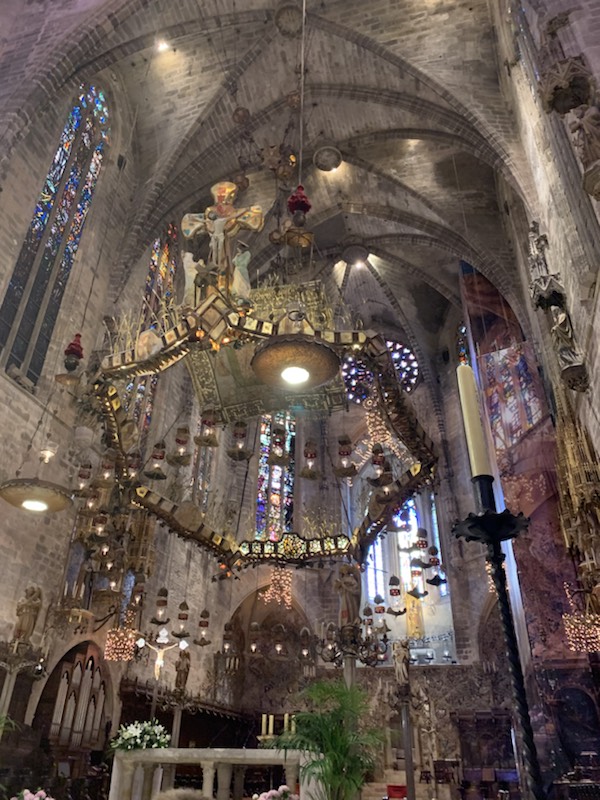
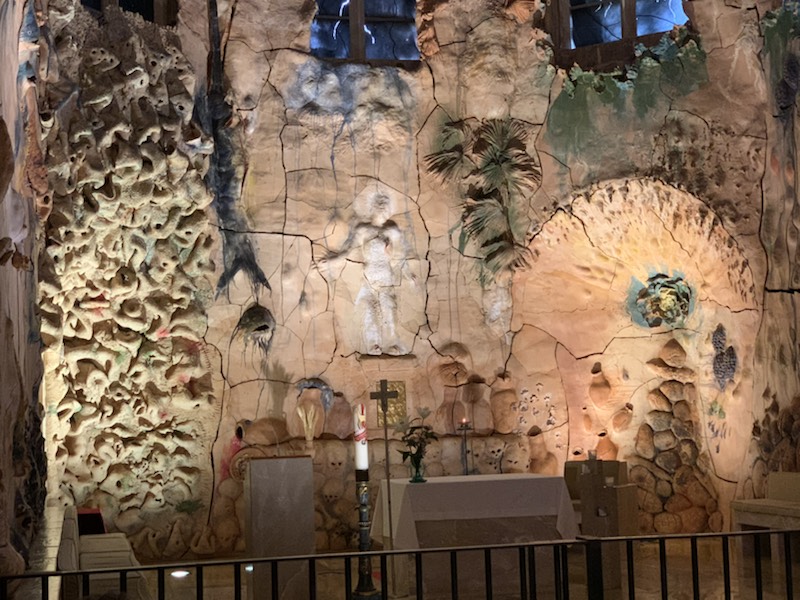
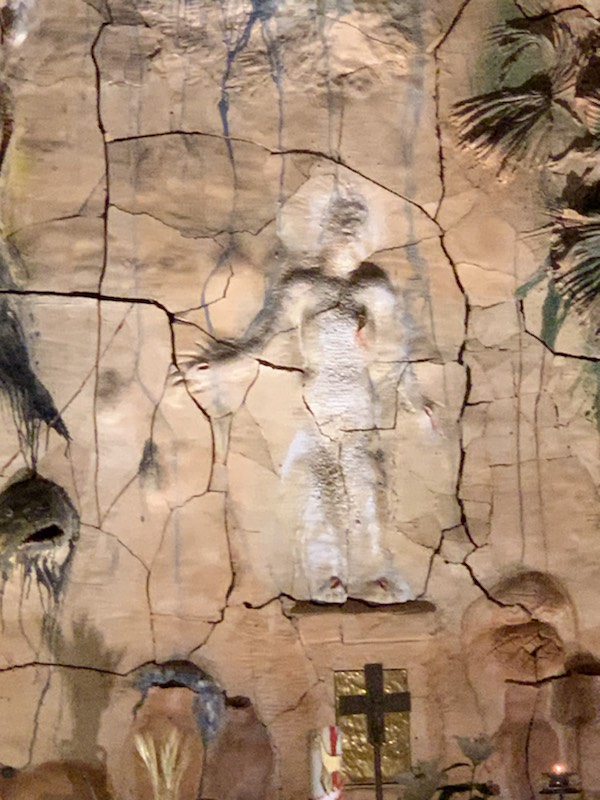
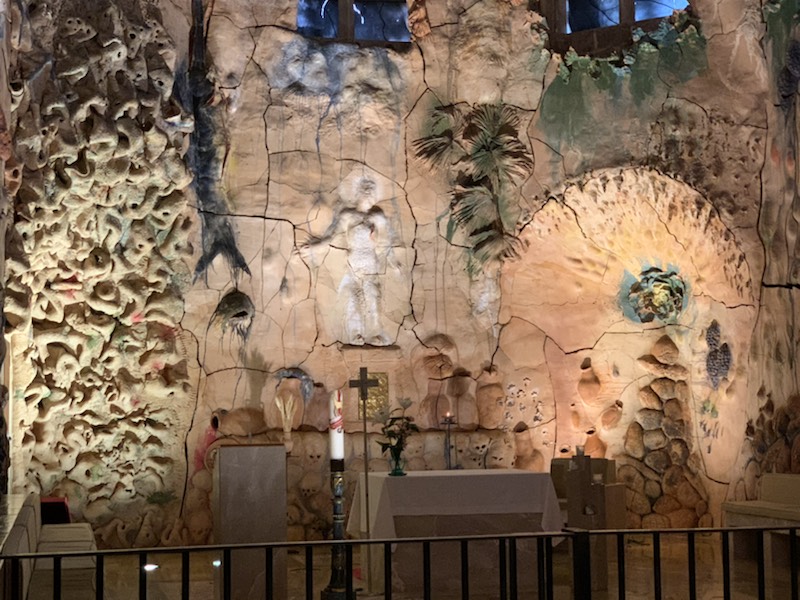
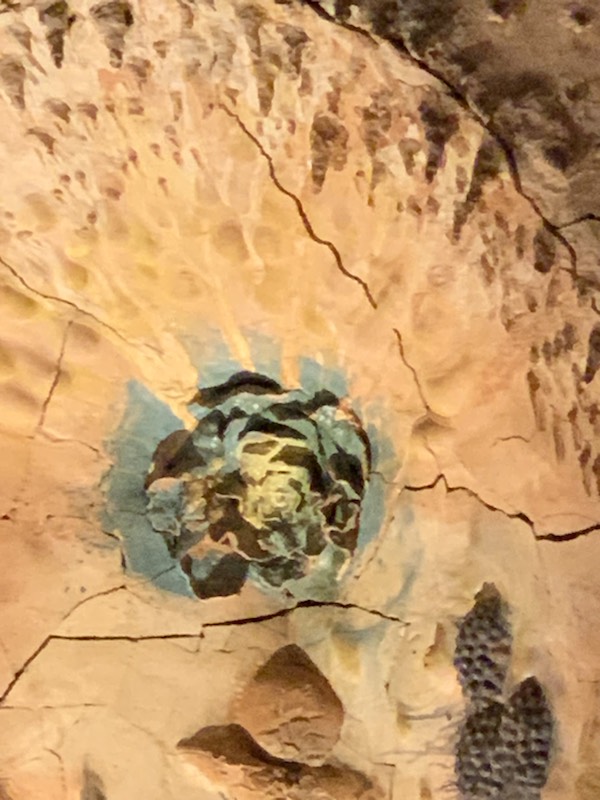
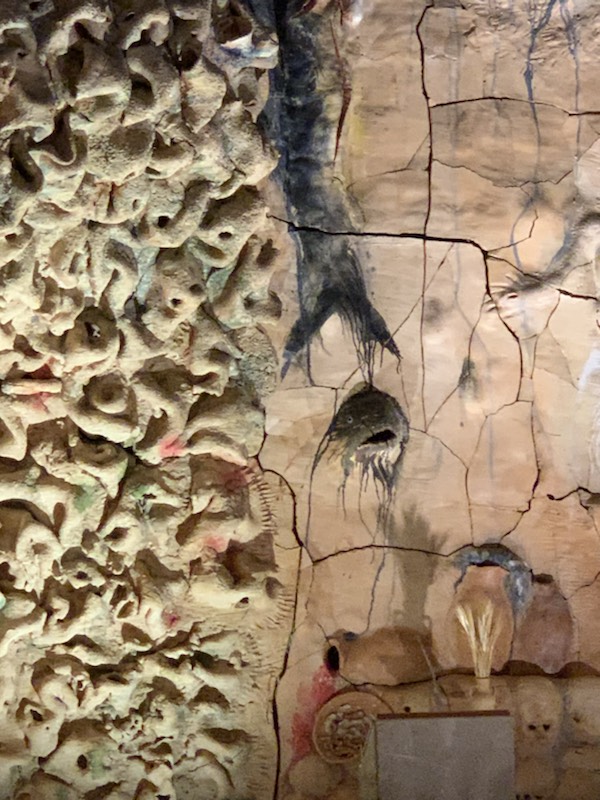
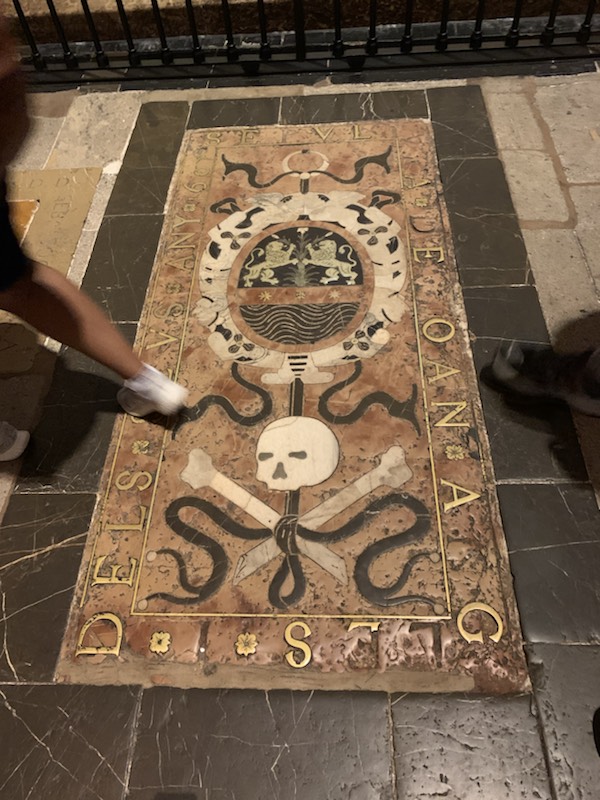
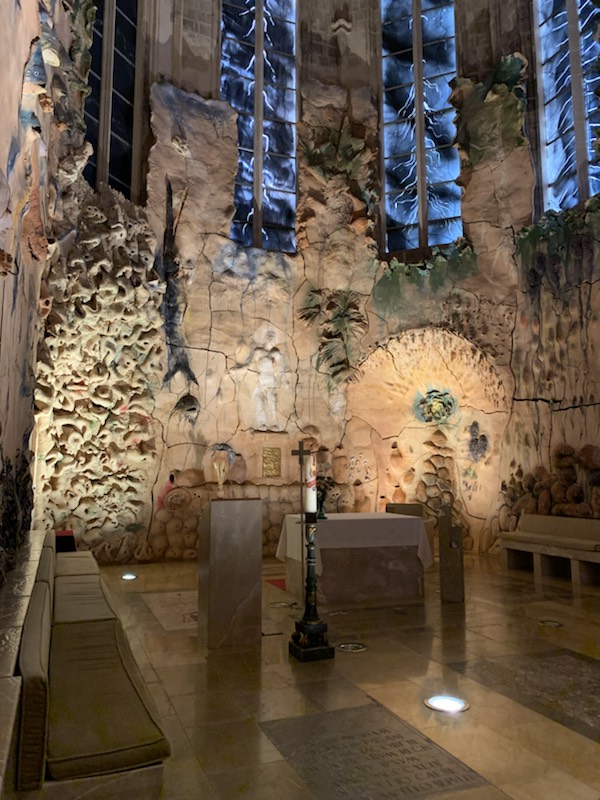
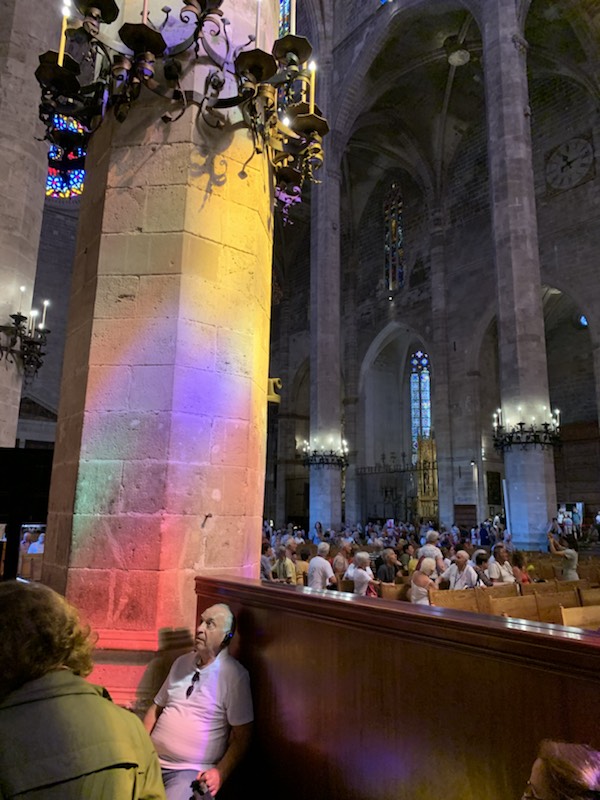

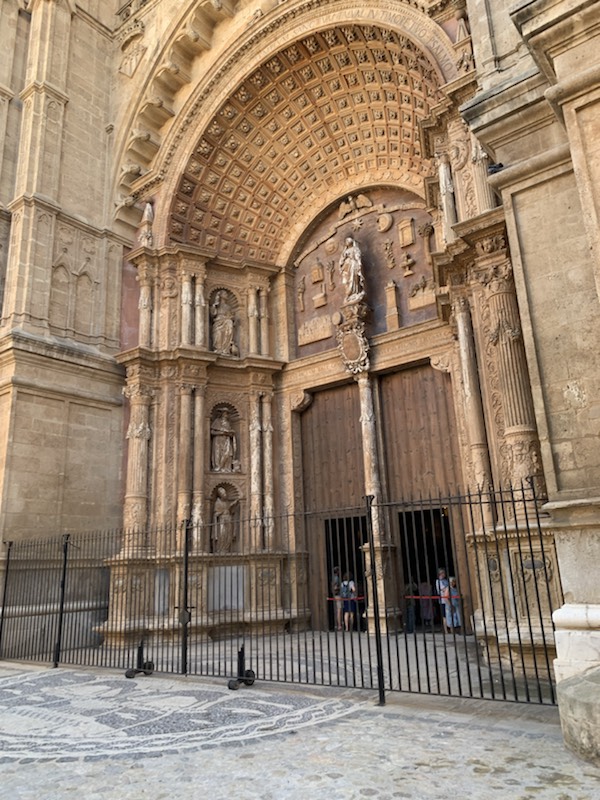

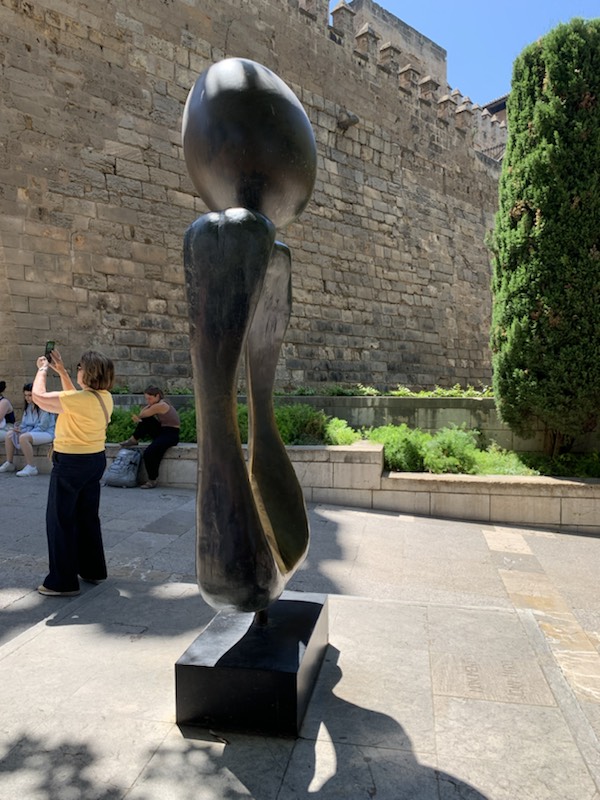
The Gothic Cathedral of Santa Maria de Palma, which is more commonly known as “La Sue” (our cathedral). It is located next to the sea over Roman walls and what used to be a mosque, next to a salt water lake (to allow for reflections, particularly at night when it is all lit up) overlooking the sea. It was started in 1229 and completed in 1601 and is 121 meters long and 40 meters wide and the nave is 44 meters high (larger than Norte Dame of Paris). It dominates the old part of town and being by the ocean, can be seen from miles away. In 1901, 50 years after the restoration had begun, Antonio Gaudi (famous for his La Sagrada Familia in Barcelona) took over the project until 1914 and his changes were mainly cosmetic, with perhaps the most important ones being the electric lighted chandeliers made of wrought iron on each of the columns and the intricate canopy over the main altar. It symbolizes the crown of thorns and is modernistic and not to everyone’s taste. However allegedly he stated that if you don’t like the canopy, tear down the Cathederal and build another around my canopy. He abandoned the project after arguments with the general contractor. The ornate side chapels were privately owned, by wealthy people who helped finance the construction. The main side chapel, to the right of the main alter from the congregational standpoint, was created by Miquel Barceló, between 2001 and 2006. It supposedly represents the Eucharist as told through the story of the Loaves and Fishes feeding the large crowd. It is made of ceramic and covers 300 square meters. To us it was disgusting. The windows were black and white, there are cracks in the wall and it seems like graffiti is the main element, with bits of clay sticking out and painted different colors. However the Archbishop really enjoyed the design and gave the 3 million euros for construction. The pictures give the reader some idea of this and each can make up their own minds. The one thing that is spectacular is the stained glass windows, in particular the various rose, circular windows. The largest one has a diameter of 13.3 meters and made from 1200 pieces of glass and is one of the largest in the world. On the 2nd of February and 11th of November (2/2 and 11/11) there is a magical event called “The Light of God”, where the sunlight coming through the rose window casts a reflection on the opposite inner wall below the other rose window, thus forming a figure 8, which represents eternity / infinity (on it’s side) etc.
After visiting the Cathederal and the other sights, we returned to the ship, took the shuttle back into town and found a nice restaurant, somewhat out of the central tourist area, where we enjoyed a delicious meal, followed by gelato at a nearby ice cream parlor and because it was so hot, we decided to return to the comfort of the ship. We rested then went to the show – Alchemy presented by Amethyst – a singer with a nice voice and a guitar male who accompanied her. Although a nice voice, after three, completely unknown songs, we as well as many others decided that, retiring for the evening was preferable. So in conclusion a lousy guide, not very enjoyable show, but a very interesting place with amazing architecture.

 Roger & Anne Travels